THE BEST IN RESIDENTIAL AND COMMERCIAL WINDOW TINTING
What Is the Best Storefront Window Film for Retail Comfort? A Southwest Florida Guide
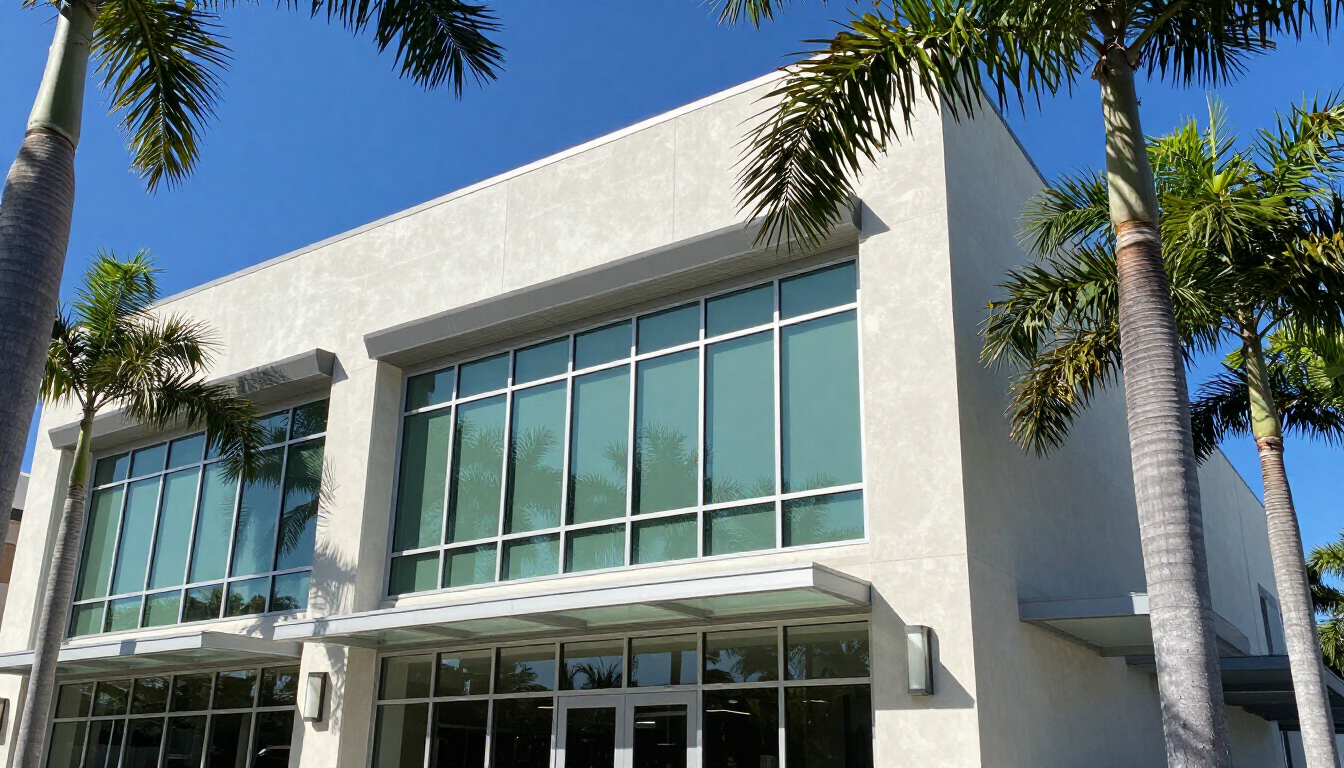
Big, bright storefront windows sell products. They draw shoppers in, show off merchandise and make a store feel open and inviting. In Southwest Florida, those same windows can turn the front of your store into a hot zone: customers avoid it, staff dread working there, the AC runs nonstop and merchandise fades in the sun.
Window film is one of the most effective and affordable ways to fix this, but the wrong film can backfire. Go too dark or too mirrored and your displays disappear from the sidewalk. Go too light and you barely notice a difference. This guide explains which storefront window films work best for retail comfort, how they compare and how to choose the right one. It's written for shop owners and property managers in Englewood, Sarasota, Venice, North Port, Punta Gorda, Port Charlotte, Fort Myers and the surrounding communities.
Quick Answer: What Is the Best Window Film for a Retail Storefront?
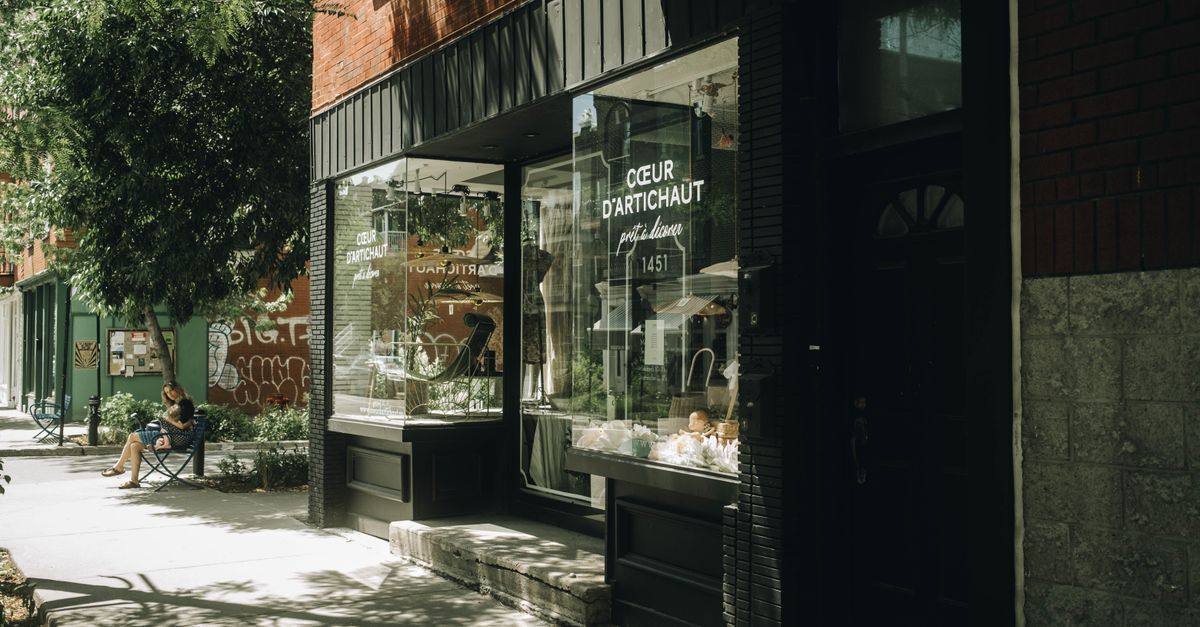
For most retail storefronts, the best choice is a light, low-reflective solar control film, often a spectrally selective or ceramic film. These films reject a significant share of the sun's heat and block up to 99.9% of UV rays while keeping glass clear enough that shoppers can still see your displays. Darker or more reflective films work better on side, back-office or non-display windows. Safety and security film can be added where break-ins or storms are a concern.
Why Storefronts Get So Hot in Southwest Florida
Retail spaces face a unique combination of heat problems:
- Large expanses of glass: Storefront windows often cover most of the front wall, letting in a large amount of solar heat.
- West- and south-facing exposure: Afternoon sun hitting a west-facing storefront in Venice or Fort Myers can overheat a sales floor quickly.
- Year-round sun: Southwest Florida's climate means storefront heat is a problem in most months, not just summer.
- Constant door traffic: Every customer who comes in lets in hot air, and sun-heated glass makes it harder for the AC to recover.
- Merchandise near the glass: Window displays and front-of-store racks take the most sun, which leads to fading and heat damage.
- Staff stuck in the sun: Checkout counters and greeting areas are often right next to the windows.
Solar heat gain through windows is one of the biggest contributors to a building's cooling load. When the front of your store is uncomfortable, customers shop faster, linger less and may skip the areas closest to the glass.
What Does "Retail Comfort" Really Mean?
Choosing the right film starts with knowing what you need it to do. For most retailers, comfort covers five goals:
- Customer comfort: A cooler, less glary front of store keeps shoppers browsing longer.
- Staff comfort: Employees at registers and window displays work better without direct heat and glare.
- Merchandise protection: Reducing UV and solar heat slows fading of clothing, furniture, artwork, packaging and signage.
- Display visibility: Your products still need to look great from the sidewalk, both day and night.
- Lower operating costs: Less heat gain means less AC strain and lower utility bills.
The best storefront film balances all five, not just heat rejection.
Types of Storefront Window Film Compared
| Film Type | Heat Rejection | Display Visibility From Outside | Glare Control | Exterior Look | Best Retail Use |
|---|---|---|---|---|---|
| Spectrally selective / clear ceramic | Moderate to high for its lightness | Excellent | Light | Nearly clear | Main display windows, boutiques, galleries |
| Light neutral solar film | Moderate to high | Very good | Moderate | Subtle tint | Most storefronts and entry glass |
| Dual-reflective film | High | Good by day, less at night | Strong | Low-reflective inside, more reflective outside | West-facing glass with heavy glare |
| Dark or reflective solar film | Highest | Limited | Strongest | Dark or mirrored | Side windows, offices, stockrooms |
| Safety and security film | Varies (often clear) | Excellent | None to light | Clear | Break-in deterrence, storm and impact protection |
| Decorative / frosted film | Low to moderate | Blocks view by design | Light | Frosted, patterned or branded | Fitting rooms, back offices, privacy zones |
Spectrally Selective and Clear Ceramic Films
Spectrally selective films are engineered to let in visible light while rejecting much of the infrared heat and nearly all UV. For retailers, that means your windows stay bright and your merchandise stays visible, while the space feels noticeably cooler. These films usually reject less total heat than the darkest films, but they're the go-to choice when display visibility is your top priority.
Light Neutral Solar Control Films
Light neutral films add a subtle tint that cuts both heat and glare without making the store look closed. They're a strong all-around option for storefronts that get significant direct sun but still need an open, welcoming look.
Dual-Reflective Films
Dual-reflective films are more reflective on the outside than the inside, so they cut heat and glare while keeping the view out comfortable. They can make displays harder to see during the day and may create reflections at night, so they're usually best on glass that gets intense afternoon sun.
Dark and Reflective Films
High-performance dark or mirrored films offer the most heat rejection, with some Vista commercial films reducing solar heat gain by up to 75%. On primary display windows, though, they can hide your merchandise and make the store look closed. Use them on non-display glass, upper transoms, offices and storage areas.
Safety and Security Films
Security films strengthen glass and help hold it together if it's struck by a burglar, debris or storm impact. Many are optically clear and can be combined with solar control performance. For storefronts, that adds an extra layer of protection without changing how your windows look.
Decorative and Privacy Films
Frosted, patterned or custom-printed decorative films create privacy for fitting rooms, offices and back areas. They can also carry your branding, at a fraction of the cost of etched glass.
How to Choose the Right Film for Your Storefront
Follow these steps to narrow down the best option for your space:
- Map your sun exposure. Note which windows face west or south and when the space feels hottest. Different windows may need different films.
- Decide how much visibility you need. Main display windows usually call for lighter films. Side and back windows can go darker.
- Know your glass. Clear, tinted, insulated, low-E and large single panes each have different film requirements. A professional evaluation helps prevent thermal stress and protects any glass or seal warranties.
- Consider security and storm needs. If break-ins, hurricane season or impact are concerns, ask about safety and security film.
- Check local rules. Some landlords, shopping centers, historic districts and municipal codes restrict storefront tint or reflectivity. Gulf-front properties may also have lighting rules that protect sea turtles.
- See samples on your actual glass. Viewing film options in your space, at different times of day, is the best way to judge both comfort and curb appeal.
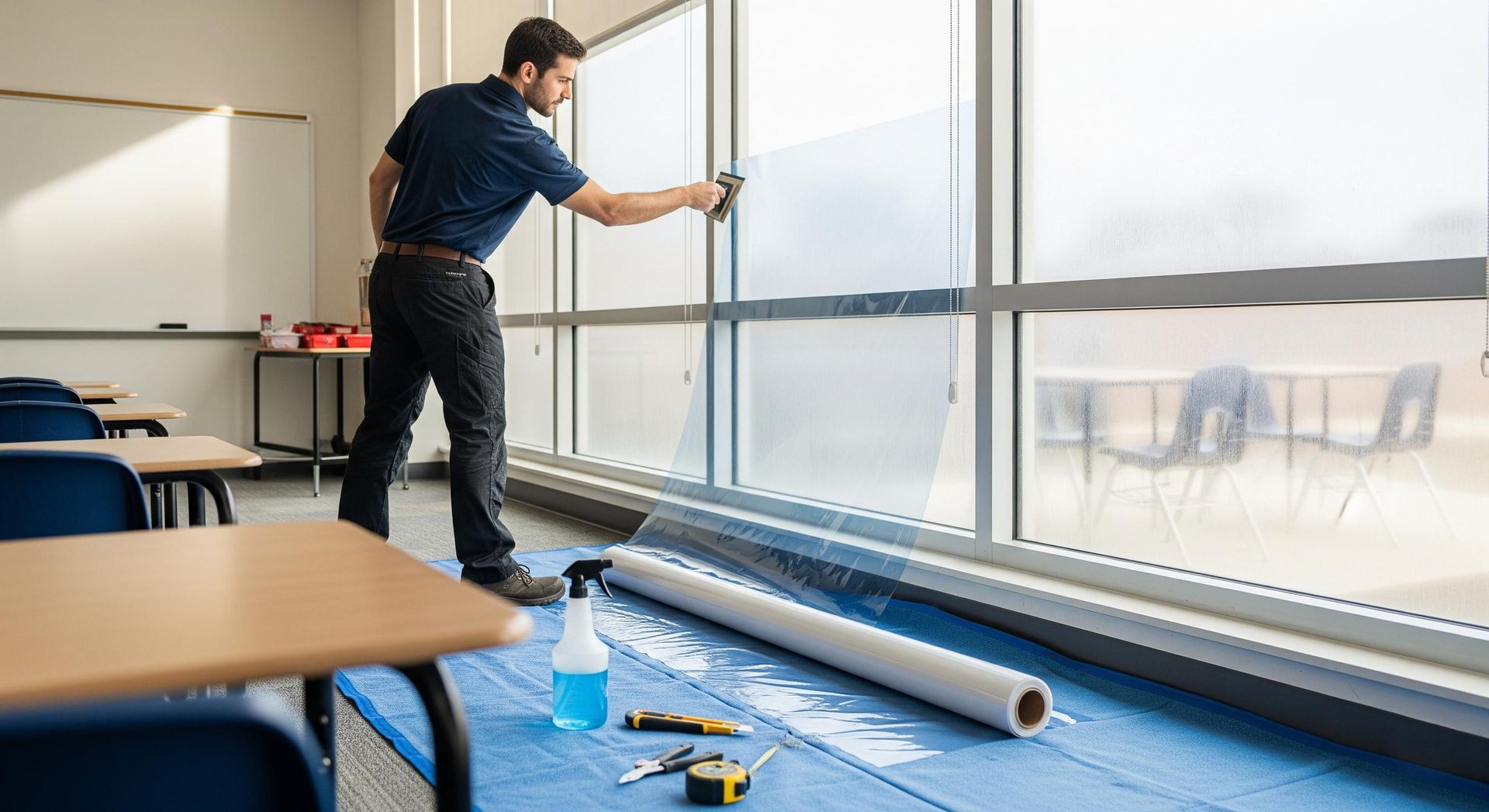
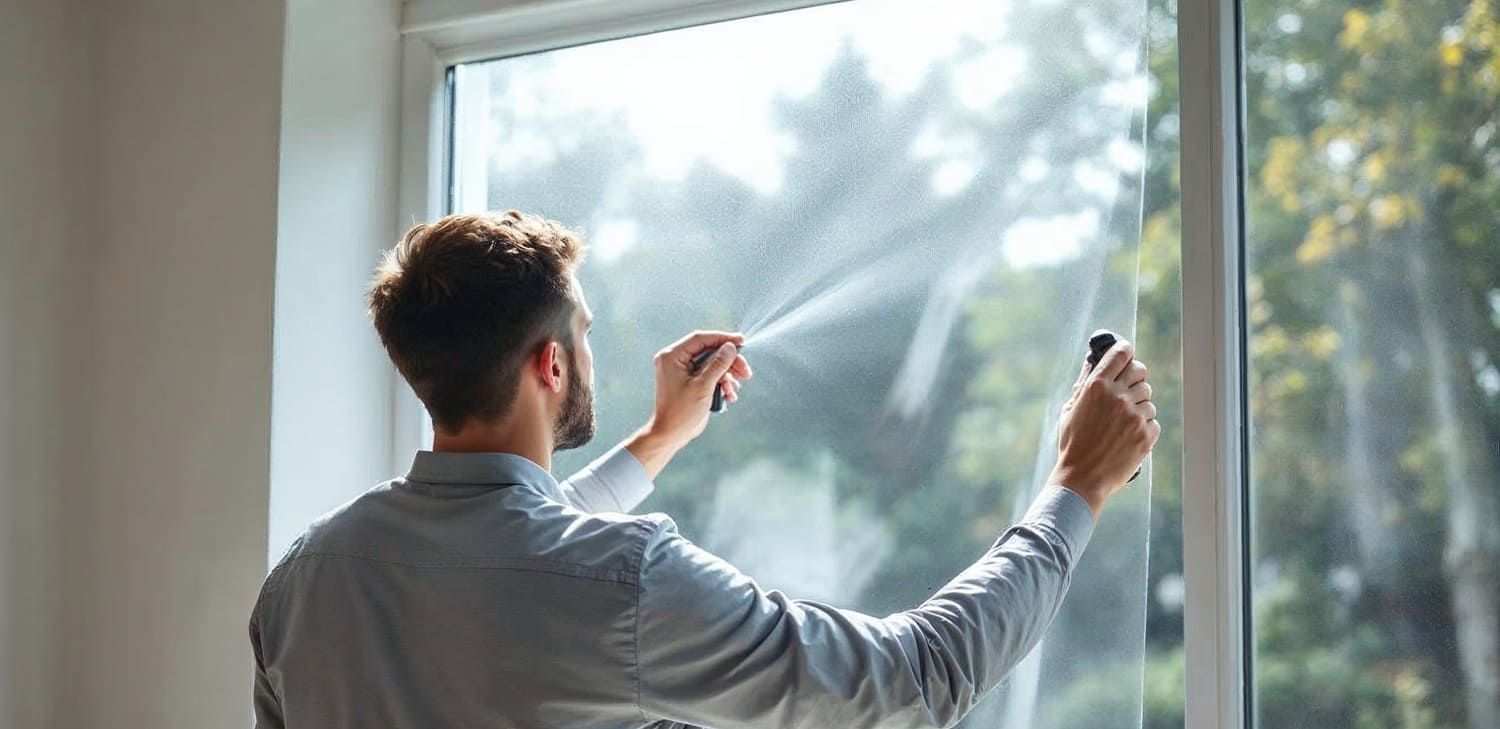
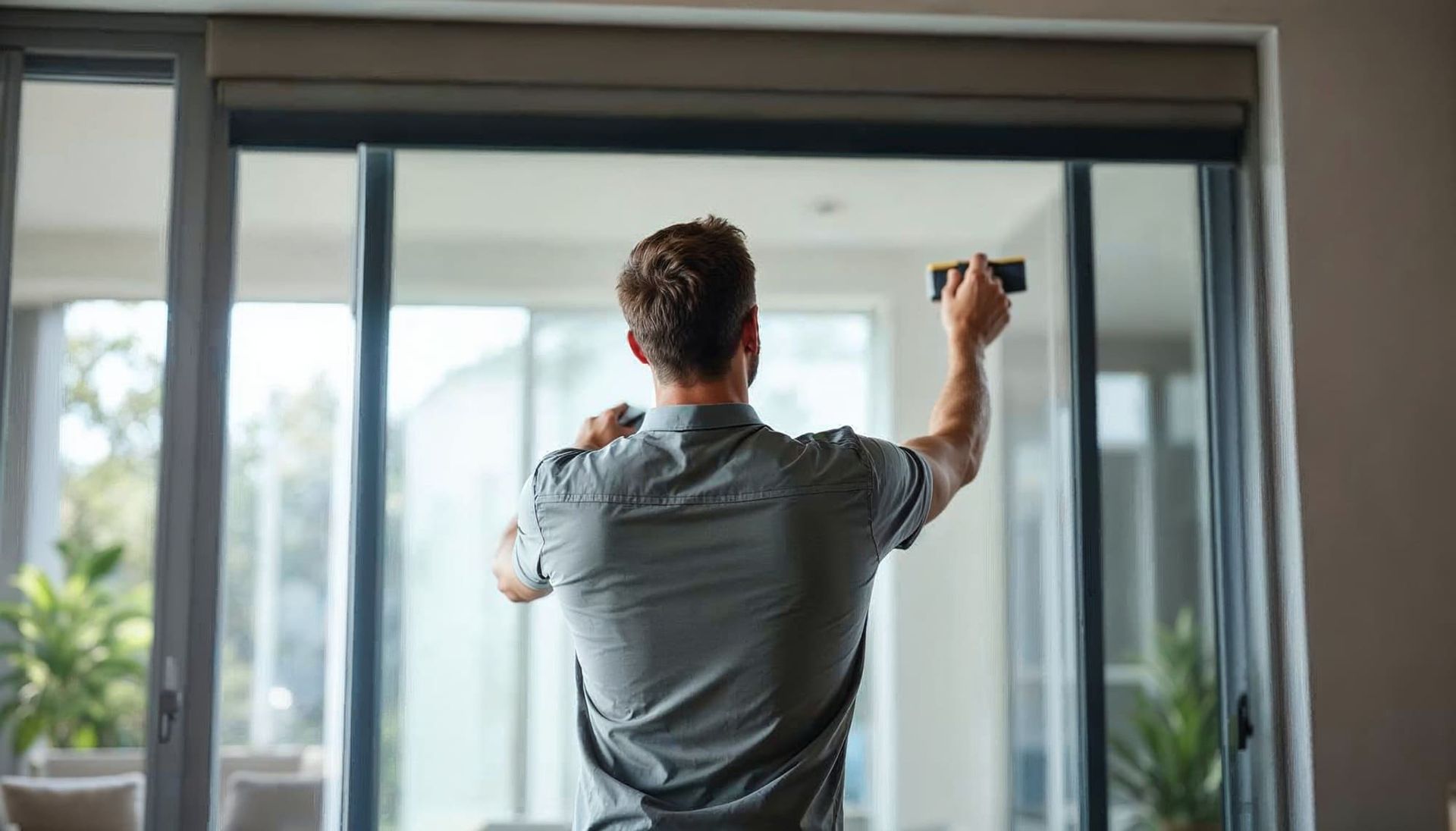
- Plan installation around business hours. Commercial film installation is typically fast and causes minimal disruption, and many windows take only minutes each.
What Does Storefront Window Film Cost, and Is It Worth It?
Exact pricing depends on how much glass you have, the film you choose and access to the windows. The value case for retailers is strong, though:
- Fraction of replacement cost: Commercial window film typically costs about 5–10% of the cost of new windows.
- Energy savings: High-performance films can reduce a building's energy costs by about 5–15%, depending on glass, shading, climate and utility rates.
- Fast payback: Many commercial projects pay for themselves in about three years or less.
- Merchandise protection: Blocking up to 99.9% of UV helps slow fading of inventory and fixtures, which can save money on markdowns and replacements.
- Better shopping experience: Customers who are comfortable tend to stay longer, which can support sales.
- Sustainability: Some window film projects can contribute toward LEED certification points.
A Note for Gulf-Front and Beachfront Retailers
If your shop is on or near the beach, such as on Manasota Key, Siesta Key or Fort Myers Beach, local sea turtle lighting rules may require darker, turtle-friendly glass or film on windows visible from the beach. These rules can affect which films you're allowed to use, so check your local ordinance. An experienced Southwest Florida installer can help you find a solution that meets lighting requirements while keeping your store comfortable.
Frequently Asked Questions About Storefront Window Film
Will window film make my store look closed or too dark?
Not if you choose the right film. Light, spectrally selective and neutral films keep storefronts bright and displays visible while cutting heat. Darker films are best kept for non-display windows.
Does window film stop merchandise from fading?
Window film greatly reduces fading by blocking up to 99.9% of UV rays and cutting solar heat. Visible light also contributes to fading, so film slows it significantly but doesn't stop it entirely.
Can window film go on insulated or low-E storefront glass?
In many cases, yes, but the film must be matched to the glass to avoid thermal stress. A professional installer will check your glass type before recommending a film.
How long does commercial window film last?
Quality commercial films often carry warranties of 10 to 15 years for non-residential installations, and many keep performing for years beyond that.
Will installation disrupt my business?
Usually very little. Many windows can be filmed in minutes, and installation can often be scheduled around your business hours.
Can I combine heat control and security in one film?
Yes. Some safety and security films include solar control properties, giving you comfort and protection in one installation.
Get Expert Storefront Window Film From Film Systems of Florida
The best storefront
window film for retail comfort keeps your customers and staff comfortable, protects your merchandise and lowers cooling costs, without hiding the displays that bring shoppers through your door. For most retailers, that means a light, low-reflective solar control film on display windows, with higher-performance, security or decorative films where they make sense.
Film Systems of Florida has been a locally owned window film company since 1977, helping business owners across Southwest Florida take control of the sun. As a LLumar SelectPro and Vista authorized dealer, the team installs premium commercial films with custom-cut precision and ongoing LLumar training, backed by manufacturer warranties and a satisfaction guarantee. They serve retailers and property managers throughout Sarasota, Charlotte, Lee and Manatee counties, including
Englewood, Sarasota, Venice, North Port, Punta Gorda, Port Charlotte, Fort Myers,
Cape Coral and Bradenton.
Ready to make your storefront cooler and more comfortable?
Call Film Systems of Florida at (941) 473-0309 or toll-free at (800) 940-3455, or request a
free in-business estimate online. The office is open Monday through Friday, 9am to 5pm, with Saturday appointments available.
Film Systems Of Florida Blog