THE BEST IN RESIDENTIAL AND COMMERCIAL WINDOW TINTING
Can Safety Film Help Meet School Security Requirements Today? A Guide for Sarasota & Charlotte County Schools
School security has become a top priority for administrators, facility managers, and school boards across Southwest Florida — and
window film is one of the most cost-effective, least disruptive upgrades available to strengthen a building's defenses. If you're evaluating security options for a school in Sarasota, Charlotte, Lee, or Manatee County, you've likely come across safety and security window film as a recommendation. This guide explains what safety film actually does, how it fits into modern school security requirements, and what to expect from the installation process.
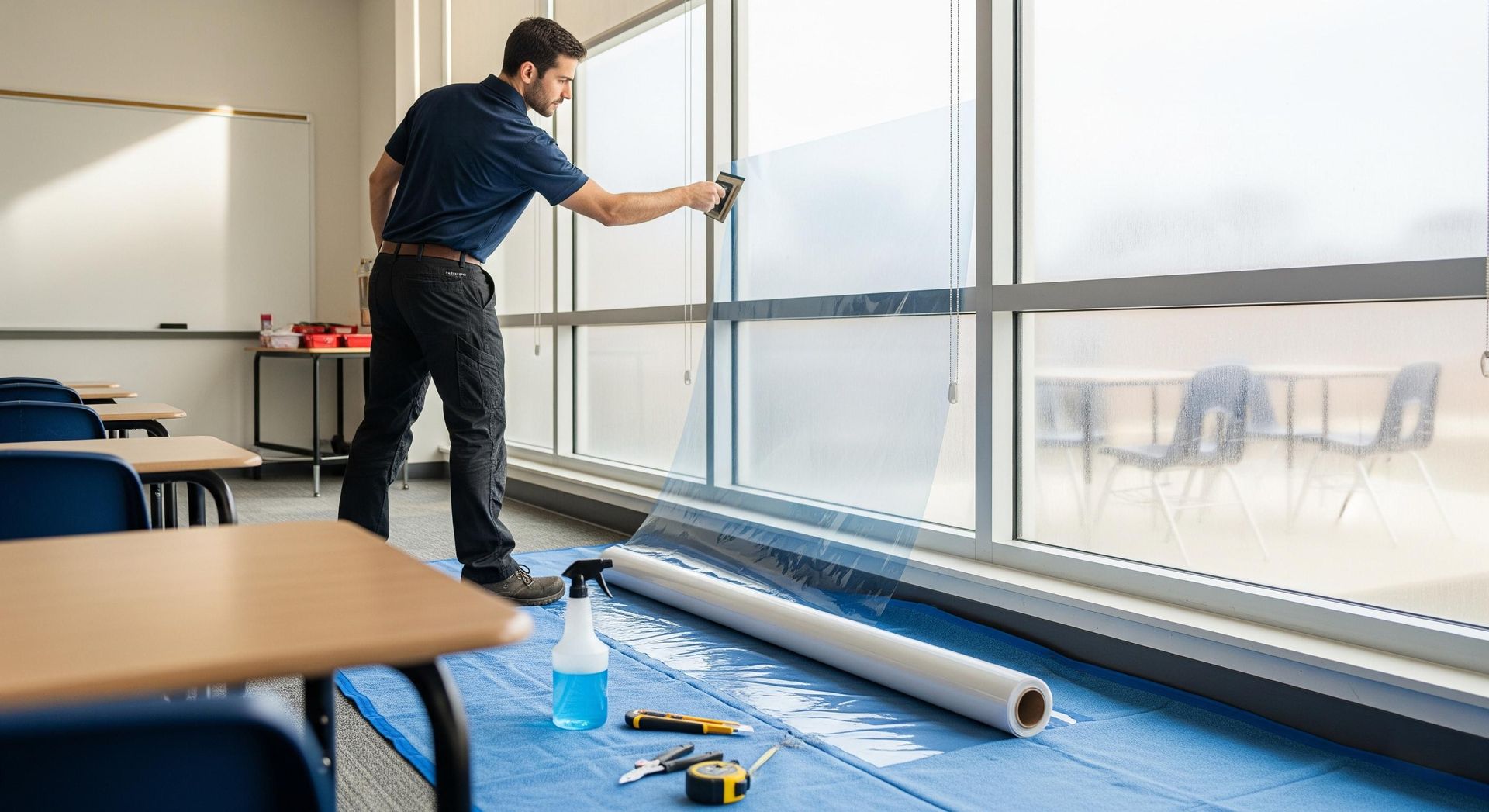
Why Schools Are Turning to Window Film for Security
Traditional school security upgrades — reinforced doors, access control systems, buzzer entry, camera networks — address who gets into a building and how they're monitored. But glass remains one of the most vulnerable points of entry in most school facilities. Standard glass shatters into sharp, dangerous shards and offers almost no resistance to forced entry, break-ins, or attempts to breach a classroom quickly.
Security window film addresses this specific vulnerability. Rather than replacing windows or installing bars, a security film is applied directly to existing glass, holding it together on impact and significantly slowing down forced entry — all without changing the appearance of the building or requiring costly construction.
How Safety and Security Film Actually Works
Security window film is a thick, reinforced polyester film applied to the interior surface of glass. Its core function is to hold shattered glass together rather than letting it fragment and fall away. When glass is struck — whether from a break-in attempt, an accidental impact, or severe weather — properly installed security film keeps the glass largely intact in the window frame instead of allowing it to shatter into the room.
This has two major security implications for schools:
- It slows down forced entry. An intruder attempting to break through a window has to work through the reinforced film after cracking the glass, not just clear away broken shards — buying critical extra seconds during a lockdown scenario.
- It reduces injury risk from broken glass. Whether the cause is an intruder, a storm, or an accident, security film dramatically reduces the danger of flying glass fragments in classrooms and hallways.
What Security Film Can and Can't Do
It's important to set accurate expectations. Security window film is a layer of protection and delay — it is not bulletproof glass, and it will not stop a determined, prolonged attack indefinitely. What it does provide is meaningful resistance that:
Slows down break-in attempts long enough for lockdown procedures and law enforcement response to take effect
Reduces the likelihood of injury from shattered glass during storms, accidents, or security incidents
Adds a layer of protection without the cost or disruption of full window replacement
Works alongside other security measures like access control, cameras, and staff training — not as a replacement for them
Security film is most effective as one part of a layered school security strategy, not a standalone solution.
Does Security Film Meet Current School Security Standards?
School security requirements vary by district, state guidance, and specific facility risk assessments, and they continue to evolve as districts reassess vulnerabilities. Many school safety consultants and facility planners now recommend security film as a baseline glass-hardening measure specifically because it's one of the fastest, least disruptive ways to reduce a building's most common point of vulnerability — ground-floor windows and door glazing near entry points.
Because requirements differ by district and by state, the most reliable way to confirm whether security film satisfies a specific school's mandated upgrades is to consult with both the district's safety officer and an experienced commercial film installer who can assess the building's actual glazing and vulnerabilities.
Additional Benefits of Security Film for School Buildings
Beyond the security case, security and safety film delivers benefits that make it a practical investment for any school facility budget:
1. UV Protection and Interior Comfort
Quality window film filters out up to 99.9% of UVA and UVB rays, protecting students, staff, and furnishings from sun damage while reducing glare in classrooms.
2. Energy Savings
Solar control window film reduces solar heat gain, which can lower HVAC costs and ease the strain on aging school building systems — an appealing bonus for facility managers working within tight public budgets.
3. Minimal Disruption During Installation
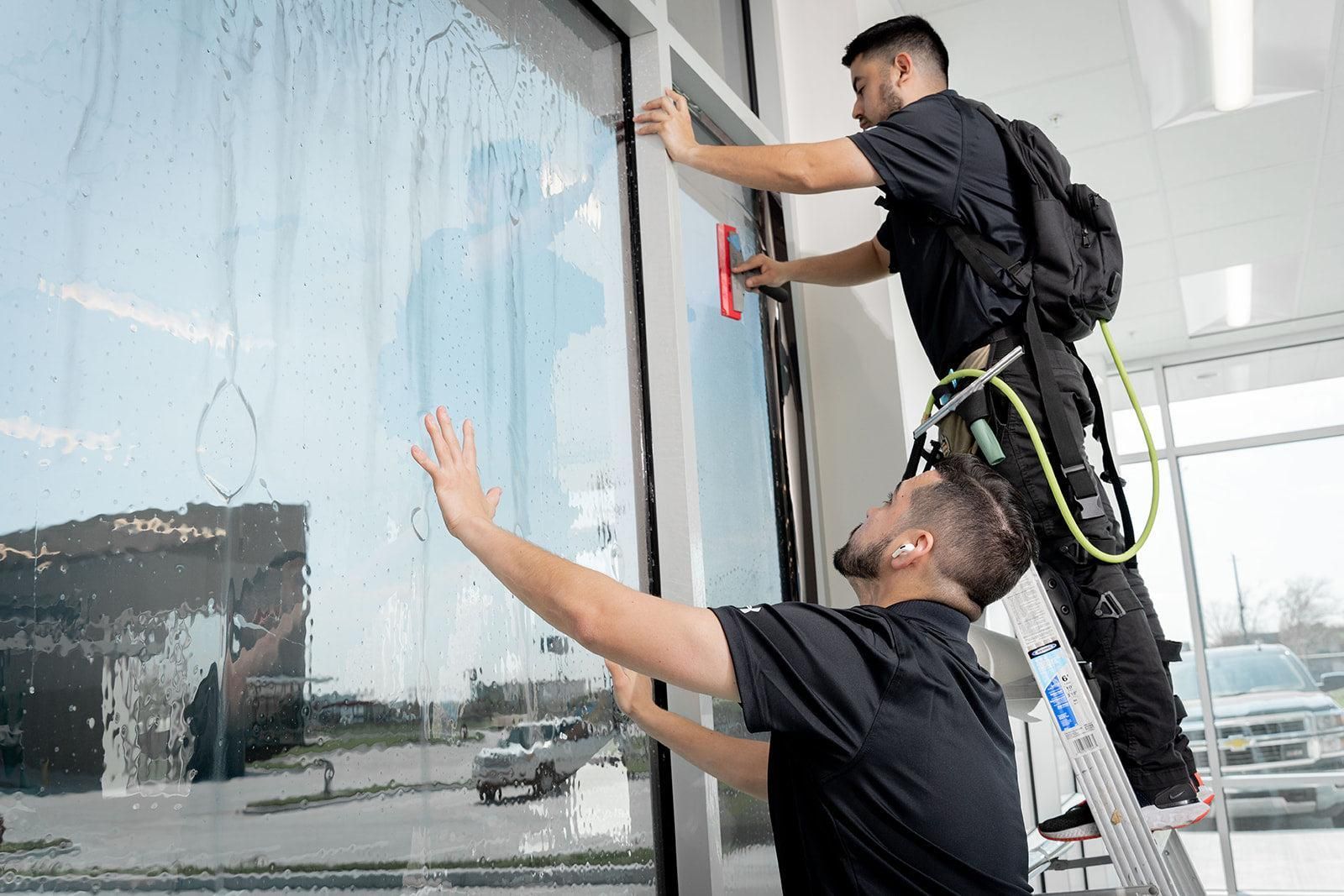
Unlike window replacement, film installation doesn't require construction crews, permits for structural changes, or extended building closures. Most installations can be completed with minimal disruption to the school schedule
4. Cost-Effective Compared to Window Replacement
Security film costs a fraction of full window replacement while addressing the same core vulnerability — shattered, unprotected glass — making it a practical option for districts working with limited capital improvement budgets.
What the Installation Process Typically Looks Like
For schools evaluating security film as part of a safety upgrade, the process with a professional installer generally includes:
- Site assessment. An installer evaluates the building's glazing, entry points, and specific vulnerabilities to recommend the right film type and coverage areas.
- Free estimate. A detailed quote is provided based on square footage, glass type, and the scope of the security upgrade.
- Scheduling around school hours. Installation is typically planned around the school calendar to minimize disruption to classes and staff.
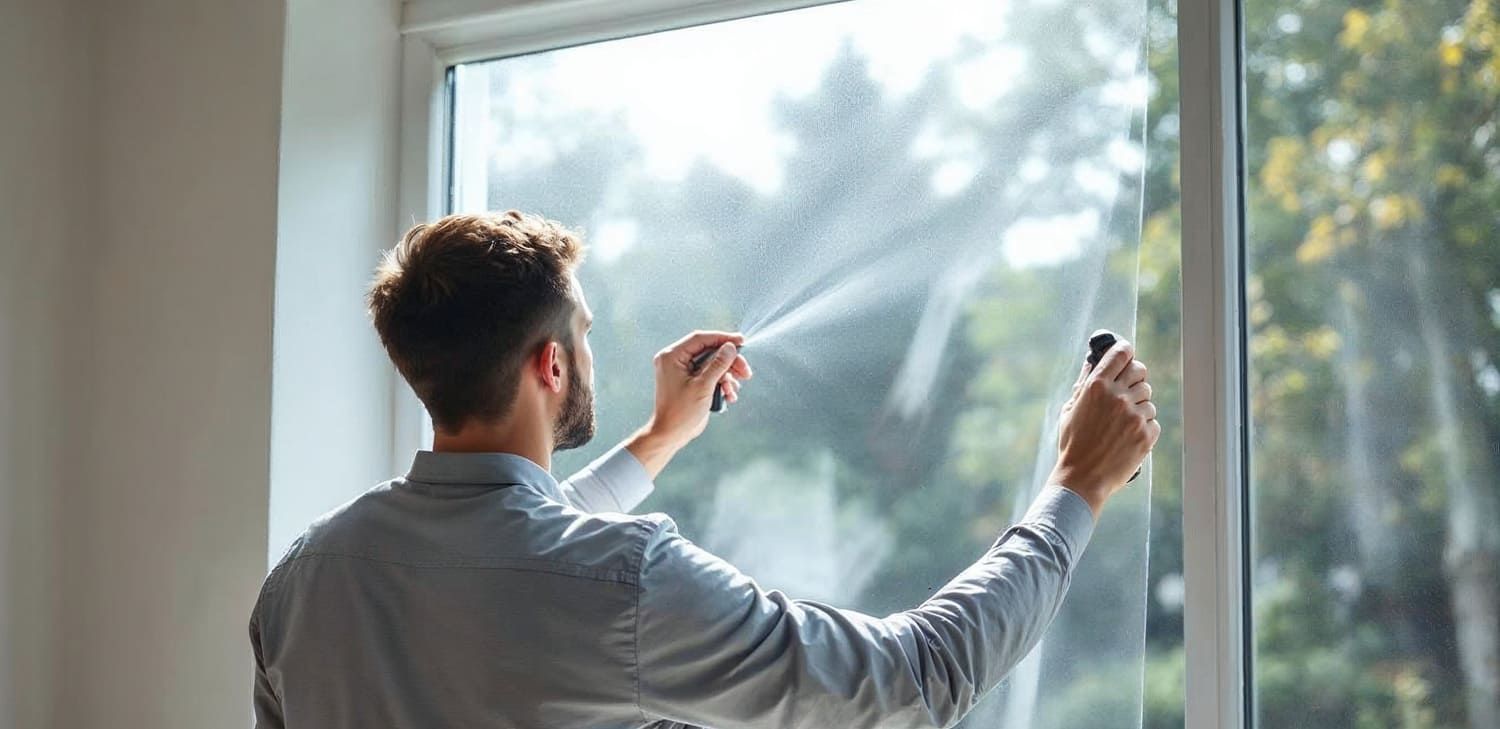
- Professional installation. Trained technicians apply the film using precision techniques to ensure full adhesion and consistent protection across all treated windows.
Frequently Asked Questions
Is security window film bulletproof?
No. Security film significantly slows down forced entry and reduces injury from shattered glass, but it is not a bulletproof solution. It works best as part of a broader, layered security approach.
How does security film help during a lockdown situation?
By holding glass together on impact, security film prevents an intruder from quickly clearing a window opening, adding critical time during a lockdown before law enforcement or additional security measures can respond.
Does security film change how windows look from outside?
Most security films are clear or nearly invisible once applied, meaning the building's appearance stays largely unchanged while gaining meaningful protective benefits.
How much does security film cost compared to replacing windows?
Security film is significantly less expensive than full window replacement — often a fraction of the cost — while still directly addressing the vulnerability of unprotected glass.
Will installing security film disrupt the school schedule?
Installation is typically far less disruptive than construction-based upgrades and can often be scheduled around school hours or breaks to minimize impact on classes.
Does security film offer any benefits beyond security?
Yes. Quality security and solar films also block up to 99.9% of UV rays, reduce glare, and can lower energy costs by reducing solar heat gain in classrooms and common areas.
Ready to Evaluate Security Film for Your School?
If your district or facility is assessing glass-hardening options as part of a broader school security plan, professionally installed security film is one of the most practical, cost-effective upgrades available. Film Systems of Florida, locally owned and operating in Southwest Florida since 1977, installs LLumar and Vista security and solar films for schools and commercial facilities throughout Sarasota, Charlotte, Lee, and Manatee Counties.
Call (941) 473-0309 or request a free estimate to have your school's glazing assessed for security film options.
Film Systems Of Florida Blog