THE BEST IN RESIDENTIAL AND COMMERCIAL WINDOW TINTING
How Much Can Window Film Cut Cooling Costs in Florida?
If you are wondering, “How much can window film cut cooling costs in Florida?” you are asking the right question for Sarasota, Charlotte, Lee, and Manatee Counties. Southwest Florida residents and business owners deal with intense sun, heat, and humidity for much of the year, which drives air conditioning to run longer and harder than in most parts of the country. For many Florida properties, A/C is one of the biggest monthly energy expenses, and even small efficiency improvements can add up over time. Window film has become one of the most cost-effective and least disruptive ways to reduce solar heat gain and lower cooling loads without replacing windows or changing the structure of the building.
Window film can realistically cut cooling costs by a meaningful percentage for many Florida homes and commercial buildings, but the exact savings depend on your window area and orientation, the specific film selected, and how efficient the property already is. This guide explains how the technology works, what savings are realistic, and how to decide whether energy efficient window film is a worthwhile investment in Southwest Florida.
Table of Contents
- 1. How window film reduces solar heat gain in Florida
- 2. Realistic cooling-bill savings for Florida homeowners
- 3. Realistic cooling-bill savings for Florida businesses
- 4. Window film types and how each affects efficiency
- 5. Window film vs other energy upgrades in Florida
- 6. How fast window film pays for itself in SWFL
- 7. Why pro installation in Sarasota matters for savings
- FAQ: Window film energy savings in Florida
1. How window film reduces solar heat gain and why it matters in Florida's climate
Direct answer: Window film reduces cooling costs mainly by reducing solar heat gain through the glass. Less heat entering the building means your air conditioner does not need to remove as much heat to maintain the thermostat set point.
What “solar heat gain” looks like in real Florida homes
In Southwest Florida, the sun can turn windows into major heat entry points, especially on east- and west-facing glass that gets strong morning or afternoon sun. Even if the air temperature outside is not at its peak, direct sunlight can create hot spots near windows, increase indoor temperatures, and cause the A/C to cycle more frequently. That is why searches like reduce cooling costs with window film and window tinting to lower electric bill Florida are so common across Sarasota and surrounding counties.
How modern window film works
Most energy-focused window films help in three primary ways:
- Reflecting some solar energy: sending a portion back outward.
- Absorbing some solar energy: then re-radiating part of it outward.
- Filtering UV rays: reducing UV-related fading and exposure while also improving comfort for occupants near windows.
Window film does not “create cold air.” Instead, it reduces the heat load the HVAC system must remove. That is the key link between window film and lower cooling costs.
Why it matters more in Florida than many states
Florida’s long cooling season means savings can accrue over more months of the year. Humidity also plays a role because HVAC systems often run longer to manage both temperature and moisture. When you reduce the heat entering through windows, your system can maintain comfort with less runtime, which can reduce energy use and help stabilize indoor comfort.
2. How much energy and money window film can realistically save for Florida homeowners
Direct answer: For many Florida homes, professionally installed energy-saving window film can reduce cooling demand enough to lower electricity bills, often in the single-digit to low double-digit percentage range for cooling-related usage. Actual results vary by window size, orientation, shading, existing glass type, and thermostat habits.
If you want an accurate number for your home, the most useful approach is to estimate savings based on (1) how much sun your windows receive, (2) how often your A/C runs, and (3) whether you have large areas of clear glass. Homes with big west-facing windows, high ceilings, or many sliders often see more noticeable improvements than homes with minimal glass or heavy exterior shading.
What homeowners in Sarasota, Manatee, Lee, and Charlotte often notice first
- Less heat near windows: fewer hot spots and more usable space near glass.
- More stable indoor comfort: A/C does not need to recover as often after sunny periods.
- Lower peak load behavior: improved comfort in afternoons when the sun is strongest.
A practical way to think about “how much can I save?”
Rather than treating window film as a guaranteed bill reducer, think of it as a cooling load reducer . The savings show up when your HVAC system runs less often or with shorter cycles. The best way to translate that into dollars is to look at your utility bills during warm months and consider how much of that is driven by A/C runtime.
Factors that most influence residential savings
- Glass area: more glass means more potential solar gain and more savings opportunity.
- Orientation: east and west windows often drive comfort problems in Florida.
- Current window performance: older, clear glass typically benefits more than modern low-e glass.
- Interior shading habits: blinds and drapes help, but film works continuously without daily effort.
- Thermostat settings: aggressive cooling set points increase energy use, which can increase the value of reducing solar gain.
Structured comparison “table”: Solar control vs low-e vs untreated
Below is a structured comparison to help you understand how different film approaches can affect energy performance. Specific performance varies by product, glass type, and installation conditions.
Option A: Solar control window film
- Solar heat rejection: typically high relative to untreated glass
- UV blocking: typically high
- Visible light transmission: can range from clear to darker, depending on product
- Effect on cooling costs in Florida: often strong when windows get direct sun
- Cost vs window replacement: much lower upfront cost
- Lifespan and durability: commonly long-lasting with professional installation
- Best application: residential and commercial sun-facing glass
Option B: Low-e window film
- Solar heat rejection: moderate to high, depending on product
- UV blocking: typically high
- Visible light transmission: often designed to keep interiors bright
- Effect on cooling costs in Florida: can be meaningful, especially for comfort
- Cost vs window replacement: much lower upfront cost
- Lifespan and durability: commonly long-lasting with proper installation
- Best application: homes wanting efficiency with minimal change in appearance
Option C: Standard untreated windows
- Solar heat rejection: lowest performance baseline
- UV blocking: varies by glass, often limited
- Visible light transmission: highest, but with higher heat gain
- Effect on cooling costs in Florida: highest cooling load on sunny exposures
- Cost vs window replacement: no added cost, but no added performance
- Lifespan and durability: depends on the window
- Best application: baseline, often improved with film or other upgrades

3. How much energy and money window film can save for Florida commercial buildings and businesses
Direct answer: Commercial window film can reduce cooling costs by lowering solar heat gain across large glazed areas. Many businesses see the biggest value through reduced HVAC demand during peak sun hours , improved occupant comfort, and better consistency across perimeter offices and customer areas.
Why commercial savings can be easier to capture
Commercial buildings often have more glass, longer operating hours, and larger conditioned spaces. That can make solar gain a bigger driver of cooling load. Businesses in Sarasota, Fort Myers, Cape Coral, Punta Gorda, and the surrounding areas often search for commercial window film Southwest Florida because they want to reduce overhead while keeping spaces bright and comfortable.
Where businesses see operational benefits beyond the utility bill
- Improved comfort for staff and customers: fewer complaints about heat near windows.
- Better consistency in perimeter zones: less overcooling required to compensate for hot spots.
- Potential reduction in glare: improved visibility on screens and at point-of-sale.
Commercial scenarios that often benefit most
- Storefront glass and showrooms: strong sun exposure and high comfort expectations.
- Office buildings with glass walls: perimeter heat gain and glare are common issues.
- Medical and professional offices: comfort and privacy needs can align with efficient films.
- Restaurants and hospitality: sunny seating areas can be difficult to keep comfortable.
4. The different types of window film available and how each affects energy efficiency
Direct answer: Energy efficient window films are not all the same. The best film for reducing cooling costs depends on whether your priority is maximum heat rejection, maintaining high visible light, reducing glare, or improving overall year-round comfort.
Solar control films
Solar control window film Florida property owners choose is designed to reduce the amount of solar energy entering through the glass. In Southwest Florida, this is often the first category considered because cooling needs dominate much of the year.
Low-e films
Low-e films are often selected when property owners want efficiency benefits while maintaining a brighter, more natural indoor look. Depending on the product and glass type, low-e films can help reduce heat gain while preserving daylighting.
Safety and security films with energy benefits
Some property owners also prioritize safety performance and choose thicker films that can help glass hold together if broken. When these are paired with solar control characteristics, they can support both comfort and safety goals. If energy savings is the primary objective, ask your installer which options are most appropriate for your glass and exposure.
Decorative and privacy films
Decorative films are usually selected for privacy and design, but some options may still help with glare and daytime comfort. If your goal is cooling-cost reduction, focus on films specifically engineered for solar performance.
5. How window film compares to other energy saving options like window replacement and HVAC upgrades
Direct answer: Window film is often one of the best “first-step” upgrades in Florida because it is non-invasive , typically lower cost than window replacement , and can meaningfully reduce solar heat gain. Window replacement and HVAC upgrades can also be effective, but they usually involve higher upfront cost and more disruption.
Structured comparison: film vs common SWFL energy upgrades
Use this as a decision framework rather than a guarantee. Real savings depend on your property and current condition.
Window film
- Upfront cost: generally lower
- Energy savings potential: meaningful when solar gain is a problem
- Installation disruption: low
- ROI timeline: often faster than major renovations
Window replacement
- Upfront cost: high
- Energy savings potential: can be strong, especially for very old windows
- Installation disruption: high
- ROI timeline: often longer due to cost
HVAC upgrade
- Upfront cost: medium to high
- Energy savings potential: can be strong if current system is inefficient
- Installation disruption: moderate
- ROI timeline: varies widely
Insulation and air sealing
- Upfront cost: low to medium
- Energy savings potential: meaningful, especially in older buildings
- Installation disruption: low to moderate
- ROI timeline: often favorable
Exterior shading (awnings, solar screens, landscaping)
- Upfront cost: varies
- Energy savings potential: can be meaningful on certain exposures
- Installation disruption: moderate
- ROI timeline: varies by design and site conditions
Why window film often wins as a “low disruption” improvement
For many occupied homes and active businesses, replacing windows is not practical in the short term. Window film can deliver performance improvements on existing glass, quickly, with far less disruption. That is why many property owners start with window film, then evaluate bigger upgrades later.
6. How long it takes for window film to pay for itself through energy savings in Southwest Florida
Direct answer: Payback depends on the installed cost, the amount of sun your glass receives, the cooling load of the property, and the film type. Many Florida property owners evaluate window film as a multi-benefit investment where energy savings, comfort, UV protection, and glare reduction all contribute to value.
A simple payback calculation you can use
- Estimate your annual cooling spend: review 12 months of bills and note higher summer usage.
- Estimate the portion driven by sun-exposed windows: higher if you have large, unshaded glass.
- Use a conservative savings range: focus on realistic, not best-case, assumptions.
- Compare savings to installed cost: payback is installed cost divided by annual savings.
When payback tends to be faster
- Large west-facing glass or multiple sliding doors
- Commercial buildings with extensive storefront windows
- Spaces with hot spots that require overcooling
- Older glass with minimal solar control
When payback tends to be slower
- Heavily shaded properties with minimal direct sun on glass
- Newer high-performance windows already doing much of the work
- Small window area relative to total conditioned space
7. Why choosing a professional window film installer in Sarasota and Southwest Florida matters for maximum energy performance
Direct answer: The film selection and the installation quality directly affect performance. A professional installer helps ensure the film is matched to your glass type, exposure, and comfort goals, then installed cleanly so it performs as intended over time.
What a pro installer does differently
- Evaluates your specific sun exposures: east, west, and large sliders often drive the biggest heat gain.
- Matches film to the glass type: single pane, double pane, and coated glass can require different solutions.
- Balances performance with appearance: keeps light where you want it while reducing heat and glare.
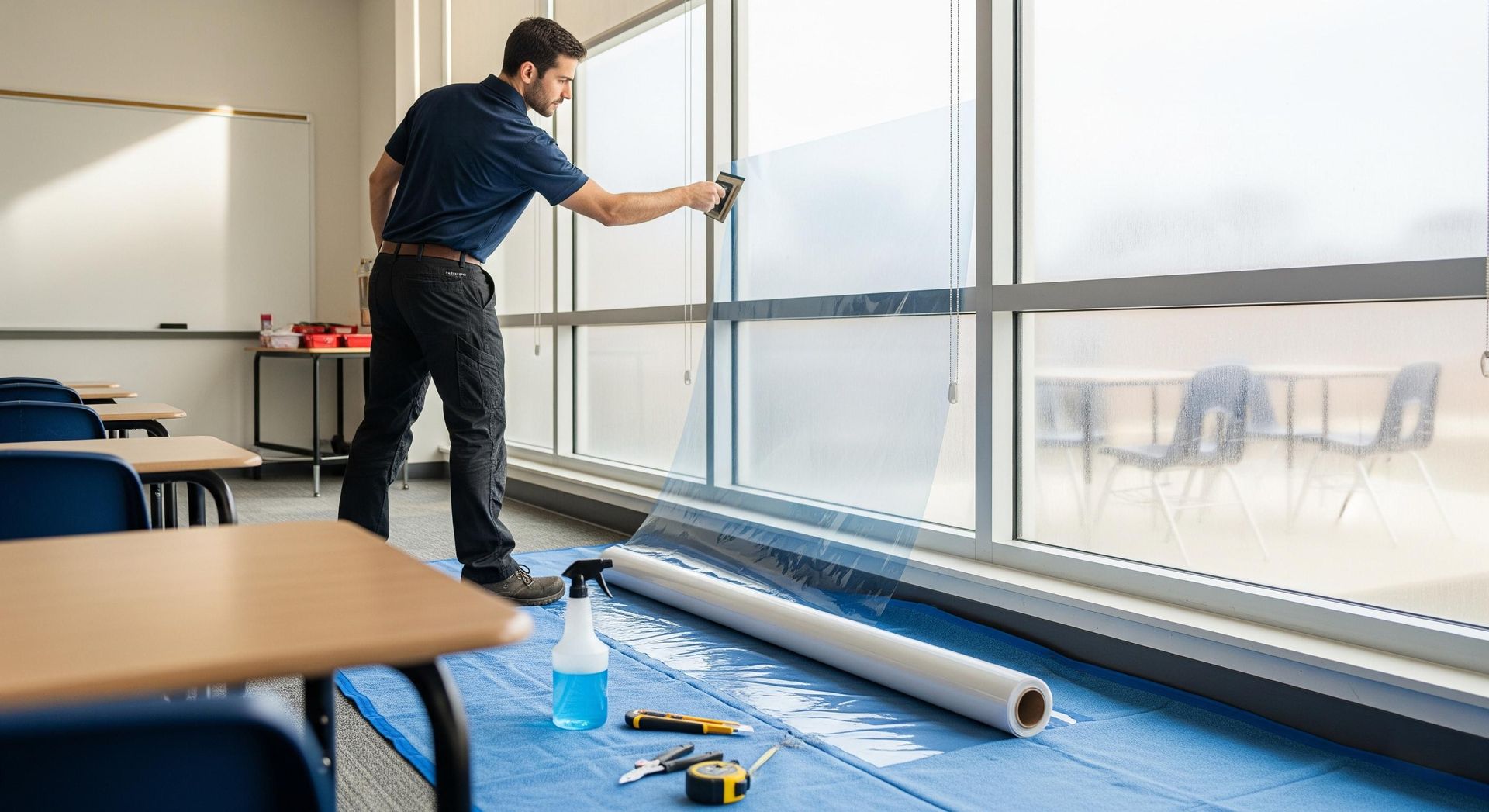
- Installs for longevity: careful prep and professional technique matter in humid climates.
Local experience matters in SWFL
Southwest Florida has unique building styles, sun angles, and coastal exposure. Working with a local company that understands the region helps you choose solutions that fit real conditions in Sarasota, Charlotte, Lee, and Manatee Counties.
Film Systems of Florida: trusted local expertise since 1977
Film Systems of Florida is a locally owned and operated window film company serving Southwest Florida since 1977. For nearly five decades, the company has helped homeowners and business owners choose premium window film solutions designed to improve comfort, reduce glare, add UV protection, and support measurable reductions in cooling demand when solar gain is a problem.
FAQ: Window film energy savings Florida
How much can window film reduce my electric bill in Florida?
Many Florida properties see meaningful reductions in cooling-related energy use, often in a single-digit to low double-digit percentage range, depending on sun exposure, glass area, and film selection.
Does window film really help with heat in Florida homes?
Yes. By reducing solar heat gain through windows, film can lower hot spots and reduce the cooling load your A/C must remove.
What type of window film is best for reducing cooling costs in Southwest Florida?
Solar control films are often chosen for maximum heat reduction. The best option depends on your glass type, orientation, and how much visible light you want to keep.
Can window film be applied to existing windows without replacing them?
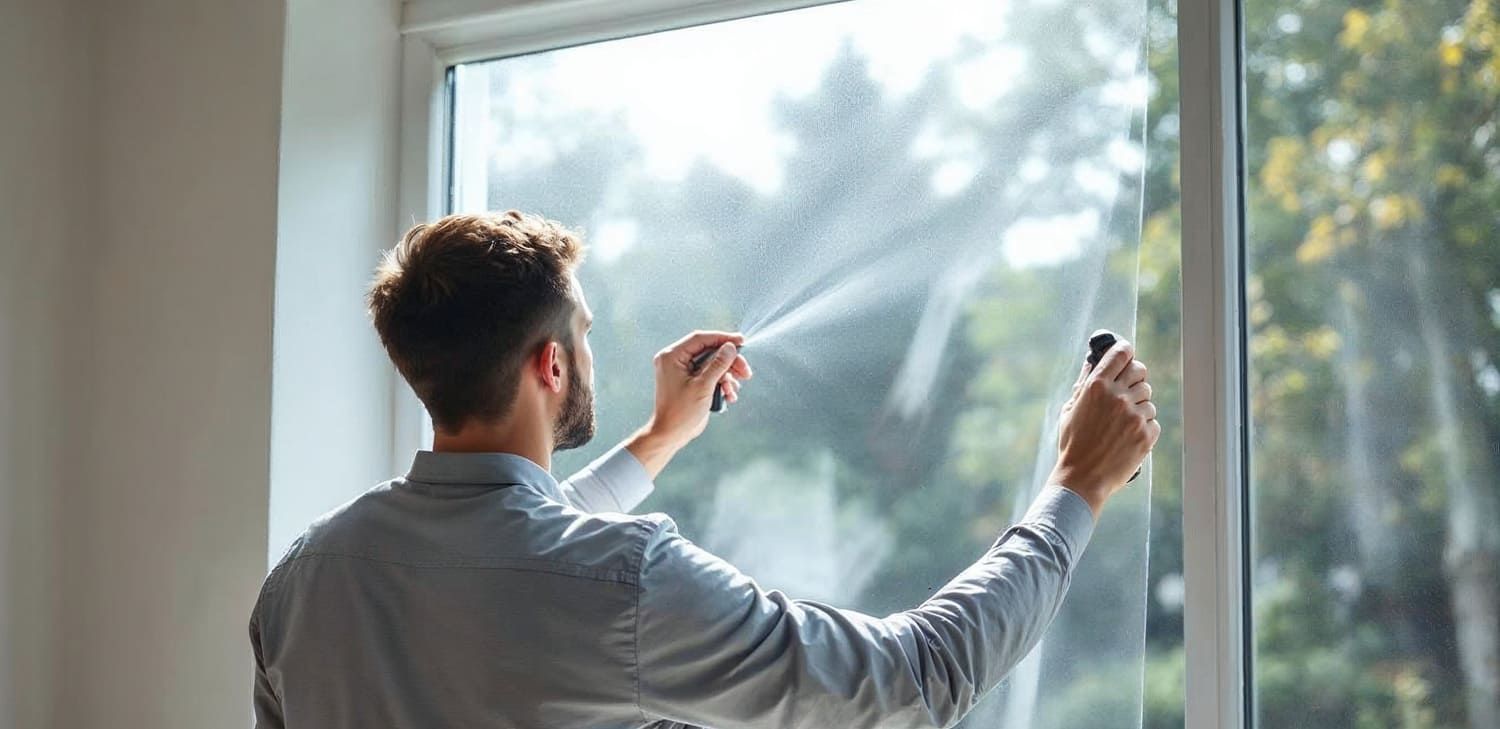
Yes. Window film is designed to retrofit onto existing glass, making it a non-invasive efficiency upgrade.
How long does window film last on Florida homes and commercial buildings?
Service life varies by product, exposure, and installation quality. Professional installation and correct product selection support longer performance.
Does window film block natural light or make rooms feel dark?
Not necessarily. Many films are designed to reduce heat while maintaining a bright interior. Visible light transmission varies by film.
Is window film a good investment for Florida homeowners compared to new windows?
Often, yes, especially when existing windows are in good shape. Film typically costs far less than replacement and can deliver meaningful comfort and energy benefits.
Can window film help with hot spots and uneven temperatures in my home?
Yes. Reducing heat gain at sun-facing windows can improve comfort and reduce temperature swings near glass.
Does window film protect furniture and flooring from fading in Florida sun?
Many films provide strong UV blocking, which helps reduce sun-related fading and interior UV exposure.
Is commercial window film worth it for Florida businesses trying to lower energy costs?
It can be, particularly for buildings with large glass areas, long operating hours, and spaces affected by glare and heat near windows.
How much does professional window film installation cost in Sarasota, Florida?
Pricing depends on window size, film type, access, and project scope. A site evaluation is the best way to get an accurate estimate.
Will window film affect the appearance of my home or business from the outside?
Appearance varies by film. Many options are subtle, while others provide more glare reduction or privacy. A professional can recommend an option that fits your goals.
Does window film work on all types of windows including single pane and double pane?
Many films can be installed on different glass types, but correct selection matters to ensure compatibility and performance.
Can window film help reduce glare on screens and televisions inside my home?
Yes. Many films reduce glare, which can improve visibility on screens during bright Florida afternoons.
Why should I choose Film Systems of Florida for window film installation in Sarasota and Southwest Florida?
Film Systems of Florida has served the region since 1977 and helps property owners choose premium films and professional installation to maximize comfort and energy performance.
Conclusion and next step: request your free estimate
Window film is one of the most cost-effective and immediately impactful energy efficiency upgrades available to Florida homeowners and business owners. By reducing solar heat gain through glass, professionally installed film can lower cooling demand, improve comfort, reduce glare, and add UV protection without the disruption of replacing windows. The combination of performance and convenience makes energy efficient window film Sarasota property owners choose a smart long-term investment that can pay for itself through lower cooling bills.
The key is choosing the right film and working with an experienced local installer who understands Southwest Florida’s climate and building types. Film Systems of Florida has been the trusted window film installer for homeowners and businesses throughout Sarasota, Charlotte, Lee, and Manatee Counties since 1977, with nearly five decades of local expertise and a commitment to premium results.
Request a free in-home or on-site estimate today:
Englewood:
(941) 473-0309
Toll free:
(800) 940-3455
www.filmsystems.com/free-estimate
Film Systems Of Florida Blog