THE BEST IN RESIDENTIAL AND COMMERCIAL WINDOW TINTING
Which Window Film Is Best for Glare in Home Offices?
If you are asking which window film is best for glare in a home office, the short answer is usually a high-quality ceramic or spectrally selective film. In Southwest Florida, that often provides the best balance of glare control, eye comfort, and usable daylight. Florida’s intense year-round sun can create serious screen reflections, especially in west-facing and south-facing home offices where afternoon brightness is strongest. That constant glare can lead to squinting, headaches, and eye strain during long workdays. Many homeowners try blinds first, but blinds often solve one problem by making the room feel dim and closed off. Window film can be a smarter middle ground, but not all films perform the same. The right choice depends on your office orientation, your preferred visible light transmission, and whether you also want stronger heat reduction, UV protection, or daytime privacy along with better computer visibility.
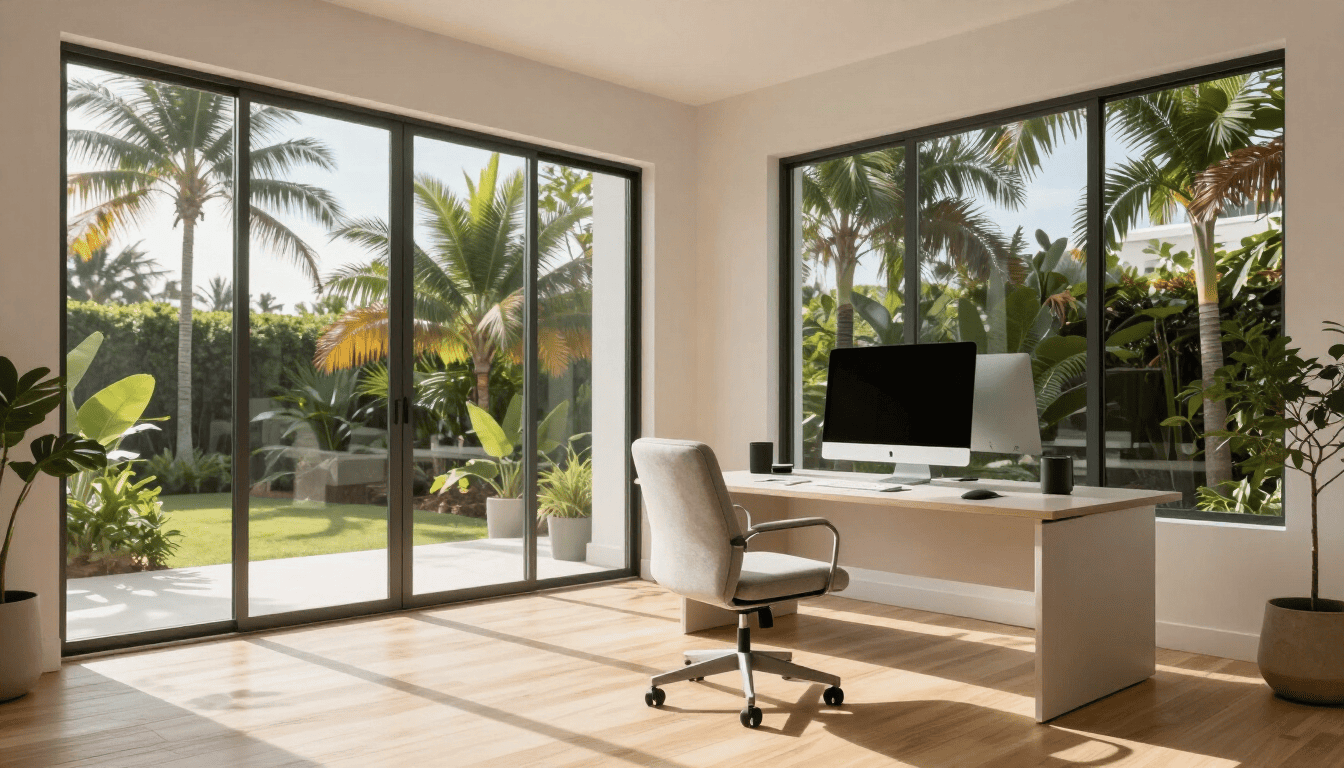
Table of Contents
Why Home Offices in Southwest Florida Struggle With Glare
Homeowners in Englewood and across Sarasota, Charlotte, Lee, and Manatee Counties face a unique lighting challenge. The same sunshine that makes coastal living attractive can make working from home much harder. Bright sun angles, long daylight hours, reflective water and sand, and expansive residential glass all contribute to uncomfortable indoor brightness.
West-facing and south-facing rooms get hit the hardest
In many Florida homes, west-facing offices receive intense afternoon sun that lands directly on monitors, desktops, and seating areas. South-facing rooms can also stay bright for much of the day. When sunlight strikes glass at a strong angle, it creates direct glare and reflected glare. Both can make it difficult to read text, participate in video meetings, or focus without constantly adjusting blinds.
Glare is not just annoying, it affects productivity
Excessive brightness creates more than visual discomfort. It can cause people to lean awkwardly, reposition screens, darken the room too much, or avoid using parts of the office altogether. Over time, that can increase eye fatigue and reduce concentration. For remote workers who spend hours in front of dual monitors or laptops, even moderate reflections can become a daily frustration.
Large windows are great for daylight, but tricky for screens
Natural light is valuable in a home office, but it needs to be controlled. Blinds and blackout curtains can block glare, yet they also remove outdoor views and much of the daylight that makes a room feel pleasant and open. That is why many homeowners start searching for window film for glare or home office window tint . They want to keep the room bright enough to work comfortably without constant squinting or the cave-like feel of covered windows.
In Southwest Florida, the goal is usually not to eliminate daylight. It is to manage the sharp, high-contrast sunlight that causes screen reflections and discomfort.
How Window Film Reduces Glare
Glare reduction window film works by changing how much visible light passes through the glass and how that light behaves once it enters the room. The best products do not simply darken the window. They help moderate harsh brightness so your eyes and screens are not overwhelmed.
Visible Light Transmission, or VLT
VLT stands for visible light transmission. It tells you what percentage of visible light is allowed through the film and glass combined. A higher number means a lighter appearance. A lower number means a darker film. For example, a 70% VLT film is relatively light and allows most daylight through, while a 35% VLT film reduces brightness more noticeably.
For a home office, the best VLT depends on room orientation, monitor placement, surrounding surfaces, and personal comfort. A lighter ceramic film may be enough in an east-facing office, while a west-facing room may benefit from a more moderate VLT to better reduce afternoon glare.
Glare reduction percentage matters
Another important metric is glare reduction percentage. This describes how much harsh visible brightness is reduced. In practical terms, better glare control means less need to tilt your screen, close blinds, or move around the room to see clearly. A film with strong glare reduction can improve screen readability and reduce visual stress without requiring the glass to look extremely dark.
Light diffusion and comfort
Some films also improve visual comfort by softening how bright sunlight enters the room. While window film does not turn the glass into frosted glass unless it is a specialty privacy product, quality films can make intense sunlight feel less aggressive. That softer light can help reduce high-contrast hotspots on desks and monitor surfaces.
This is why homeowners searching for the best window film for computer glare should look beyond color alone. The right product combines appropriate VLT, solid glare reduction performance, and clear view-through quality. In many cases, that points toward premium ceramic or spectrally selective options instead of entry-level dark tint.
Comparing Window Film Types for Glare Control
Not all window films are equal when the goal is to reduce screen glare with window film while preserving natural light. The three categories most homeowners compare are ceramic, dyed, and metalized or hybrid films.
Ceramic window film
Ceramic window film for home office settings is often the leading choice because it can reduce glare and solar heat while maintaining a crisp, natural look. It is known for strong optical clarity, good durability, and minimal effect on electronics. For homeowners who want an anti-glare window tint Florida solution without a dark or mirrored appearance, ceramic is often a smart fit.
Dyed window film
Dyed films are usually more budget-oriented. They can reduce visible brightness and help with glare, but performance varies. In many applications, dyed film is a simpler tinting solution rather than the most advanced option for heat control and long-term clarity. It may work in some offices, but homeowners seeking a premium finish often look at more advanced film constructions.
Metalized and hybrid window film
Metalized and hybrid films can offer effective glare and heat reduction, but they may have a more reflective look depending on the product. Some homeowners like that added solar control, while others prefer a more neutral appearance. Because some metal-containing films may interfere with WiFi, mobile signal, or other wireless performance, product selection should be done carefully in a work-from-home environment.
| Film Type | Glare Reduction Performance | VLT Range | Heat Rejection Ability | Clarity and View-Through Quality | Durability and Fade Resistance | Signal Interference With WiFi or Phone | Typical Cost Range |
|---|---|---|---|---|---|---|---|
| Ceramic | Strong, especially for balancing glare and daylight | Often available in lighter to moderate shades | Strong for a non-reflective film | Excellent, with a clean and natural look | Excellent long-term stability | Typically minimal | Higher |
| Dyed | Moderate, depends on darkness level | Wide range from light to dark | Moderate | Good, but can be less refined than premium films | Varies by product grade | None from non-metal construction | Lower to mid-range |
| Metalized or Hybrid | Strong, often effective on bright exposures | Light to darker options available | Strong | Good, though reflectivity may be more noticeable | Good to excellent | Possible with some products | Mid-range to higher |
For many homeowners, ceramic stands out because it addresses glare and comfort without heavily changing the appearance of the home. That is one reason premium lines such as LLumar and Vista are often considered when performance, energy efficiency, UV protection, and long-lasting clarity all matter.
Glare Reduction Versus Natural Light: Finding the Right VLT Percentage for a Home Office
One of the most common concerns is whether a film that reduces glare will make the office feel too dark. That depends largely on the VLT you choose. The best home office window tint is often not the darkest film. It is the film that reduces brightness enough to improve screen comfort while still preserving a bright, usable room.
What different VLT levels usually feel like
A 70% VLT film is very light and often chosen when homeowners want subtle glare reduction and strong clarity. A 50% film offers a middle-ground approach that can noticeably reduce brightness without overly changing the room. A 35% film provides a stronger reduction and may be especially useful for west-facing offices with persistent glare. A 20% film is considerably darker and is usually selected only when privacy or aggressive brightness control is a major priority.
| VLT Percentage | Glare Reduction for Home Office Use | Natural Light Impact | Best Fit |
|---|---|---|---|
| 70% | Light glare control | Very little darkening | Bright rooms with mild glare or homeowners who want the most natural appearance |
| 50% | Moderate glare control | Keeps the room feeling open and bright | Balanced option for many home offices |
| 35% | Strong glare control | Noticeable but acceptable reduction in daylight for many users | West-facing or south-facing offices with frequent screen glare |
| 20% | Very strong glare control | Substantially darker interior feel | Spaces where glare and privacy outweigh daylight goals |
Best VLT ranges for many Florida home offices
In practice, many work-from-home spaces do well with films in the light-to-moderate range rather than very dark tint. That is especially true when the homeowner wants to preserve daylight and views. For this reason, ceramic and spectrally selective films in moderate VLTs are often recommended for offices where comfort, aesthetics, and clear visibility all matter.
Placement and room finishes also influence results
The best VLT is not based on the window alone. A glossy desk, white walls, pale flooring, or a monitor facing the window can amplify glare. A professional assessment can identify whether a lighter film will solve the problem or whether a slightly lower VLT would better support daily work comfort.
Added Benefits Beyond the Computer Screen: UV, Heat Reduction, Furniture and Monitor Fading
The right window film for glare can improve more than monitor visibility. Many homeowners are also interested in overall comfort, efficiency, and interior protection.
Less solar heat in the office
Southwest Florida home offices can get uncomfortably warm, especially in the afternoon. While glare and heat are not the same thing, they often arrive together. Films that reduce solar energy can help stabilize the office environment, making it easier to work without hot spots near the windows.
UV protection for interiors
Quality window films are also valued for helping reduce ultraviolet exposure that contributes to fading. Over time, UV and solar exposure can affect flooring, furniture, artwork, and even the finish on desks or cabinets. While no film can stop all fading because visible light and heat also play a role, UV reduction is still an important protective benefit.
Better comfort around monitors and electronics
Direct sunlight can make monitors harder to view and can also heat up workstations. Reducing the intensity of incoming sun can improve comfort around screens, keyboards, and devices throughout the day. For many households, the best result is a room that feels less harsh, less hot, and more usable during peak sun hours.
FAQ
Will window film make my home office too dark?
Not necessarily. Many homeowners choose lighter or moderate films specifically to cut glare while keeping the room bright. A properly selected VLT can reduce harsh light without creating a dark interior.
Can window film really help with computer glare?
Yes. The right film can lower harsh visible brightness and reduce reflected light on monitors. That is why many people search for the best window film for computer glare when setting up a home office.
What VLT is best for a home office?
There is no one perfect number for every room, but many home offices perform well in the light-to-moderate range. The best choice depends on orientation, window size, and how sensitive you are to brightness.
Can window film be installed on double-pane or Low-E glass?
Often yes, but compatibility matters. Double-pane and Low-E windows should be evaluated carefully so the film selected is appropriate for the glass type and performance needs.
How long does residential window film last?
That depends on the product, sun exposure, and installation quality. Premium films generally offer better long-term clarity and durability than lower-grade products.
Will window film affect WiFi or cell signal?
Some metal-containing films may affect wireless signals, while many ceramic films typically do not present that concern. This is an important topic for work-from-home households.
Is ceramic film better than basic tinted film?
For many homeowners, yes. Ceramic film often delivers a better balance of glare control, clarity, heat performance, and a neutral appearance than basic dark tint.
How much does glare reduction window film cost?
Cost varies by window size, film type, and project scope. Ceramic and premium products usually cost more up front than basic films, but they are often chosen for higher performance and appearance.
Can I reduce glare without making the room look heavily tinted?
Yes. This is one of the main reasons homeowners consider ceramic or spectrally selective products. They can provide glare control while maintaining a lighter, more natural look.
What if my monitor sits right next to a sunny window?
Film can still help by reducing the intensity of incoming light at the glass. In very challenging layouts, the best result may come from combining film with monitor repositioning or subtle shading adjustments.
What to Expect From a Professional Installation With Film Systems of Florida
When homeowners want anti-glare window tint Florida solutions that actually fit how they use their office, professional guidance matters. A quality installation starts with understanding the room, not just choosing the darkest film on a sample card.
An in-home evaluation helps match film to the office
A professional will usually look at window orientation, glass size, existing window type, work hours, and how the monitor is positioned. That helps determine whether the best approach is a lighter film with strong clarity, a moderate VLT for more noticeable glare control, or a solution that also prioritizes heat reduction and UV protection.
Product selection matters
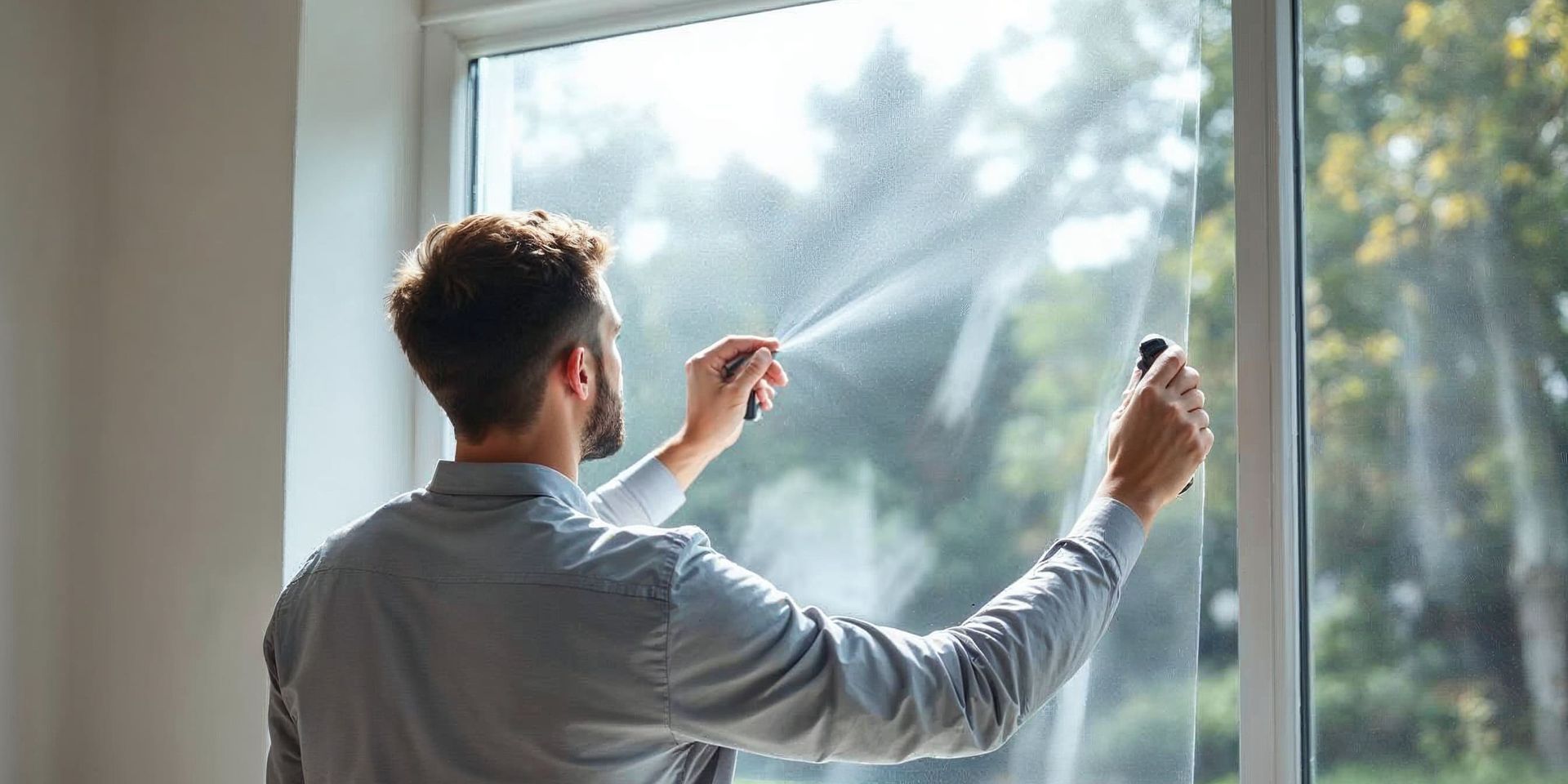
Film Systems of Florida uses LLumar and Vista window film products, which are often selected by homeowners seeking premium glare reduction, energy efficiency, UV protection, and long-lasting clarity without a dark or reflective appearance. For a home office, that can be especially valuable when comfort and aesthetics both matter.
Professional installation supports performance and appearance
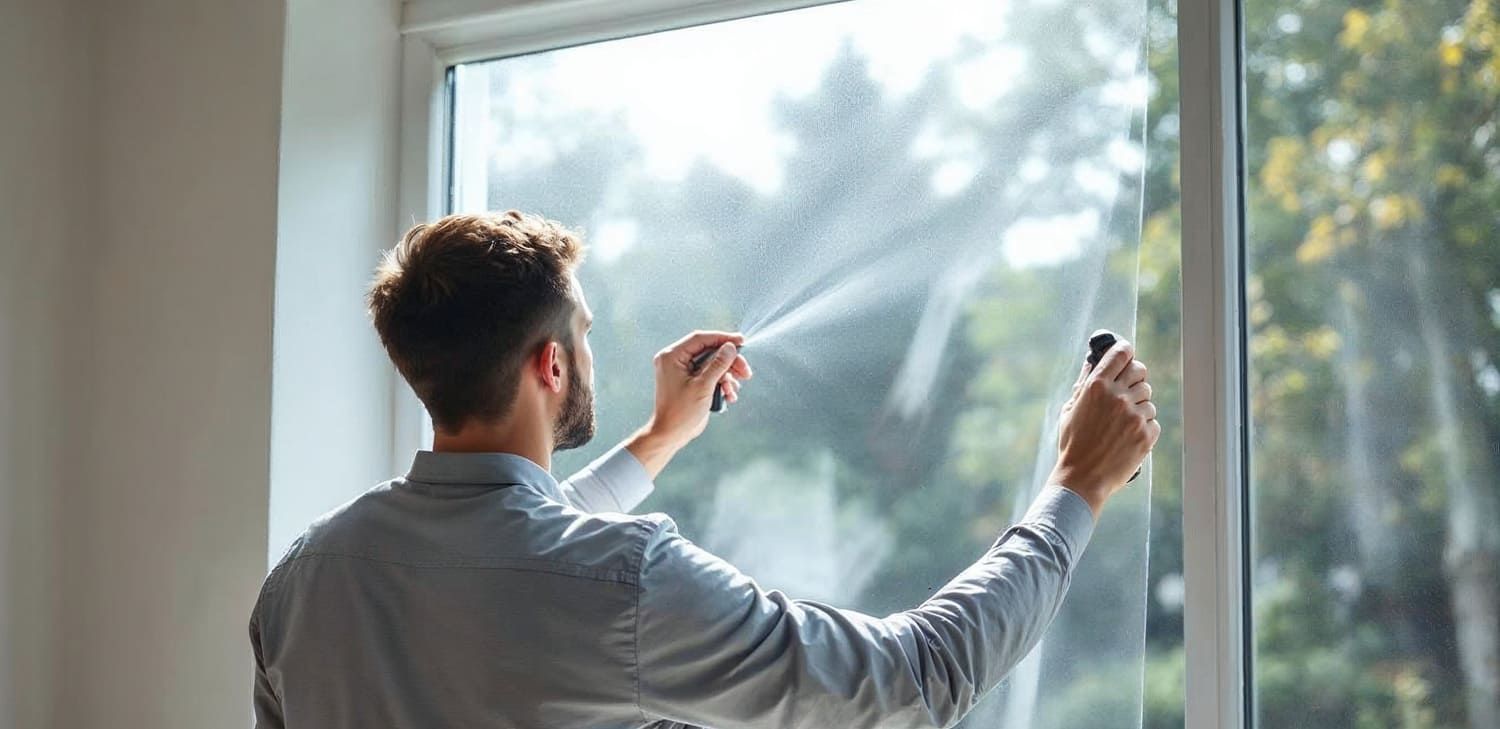
Proper installation helps the film look clean and perform as intended. It also supports a more polished finished appearance across the home. In a dedicated office where visibility, daylight, and comfort are all important, details matter.
If you are trying to decide on the best window film for glare in a home office, the answer is usually not the darkest tint. It is the film that best fits your sun exposure, your preferred brightness, and your need for added heat and UV control. For many homeowners in Englewood and surrounding Southwest Florida, that often points toward a well-chosen ceramic or spectrally selective option. If you want expert guidance on home office window tint and glare reduction window film , contact Film Systems of Florida for a free in-home estimate and learn which LLumar or Vista solution is the right fit for your space.
Film Systems Of Florida Blog