THE BEST IN RESIDENTIAL AND COMMERCIAL WINDOW TINTING
Do UV-Blocking Window Films Protect Floors and Furniture? A Southwest Florida Homeowner's Guide
Yes. UV-blocking window film is one of the most effective ways to protect floors and furniture from sun damage. Premium films like LLumar and Vista block up to 99.9% of UVA and UVB rays, the single biggest cause of fading. UV isn't the only cause, though. Visible light and solar heat also contribute, so window film greatly slows fading but cannot stop it completely. For the strongest protection, choose a film that also reduces heat and visible light, not just UV.
In Southwest Florida, the sun is intense and shines nearly year-round. Homeowners in Englewood, Venice, Sarasota, Port Charlotte, and Fort Myers know how quickly hardwood floors, rugs, upholstery, and artwork can lose their color. This guide explains what really causes fading, how UV-blocking window film works, which film types protect best, and how to get the most from your investment.
Why the Florida Sun Fades Floors and Furniture So Fast
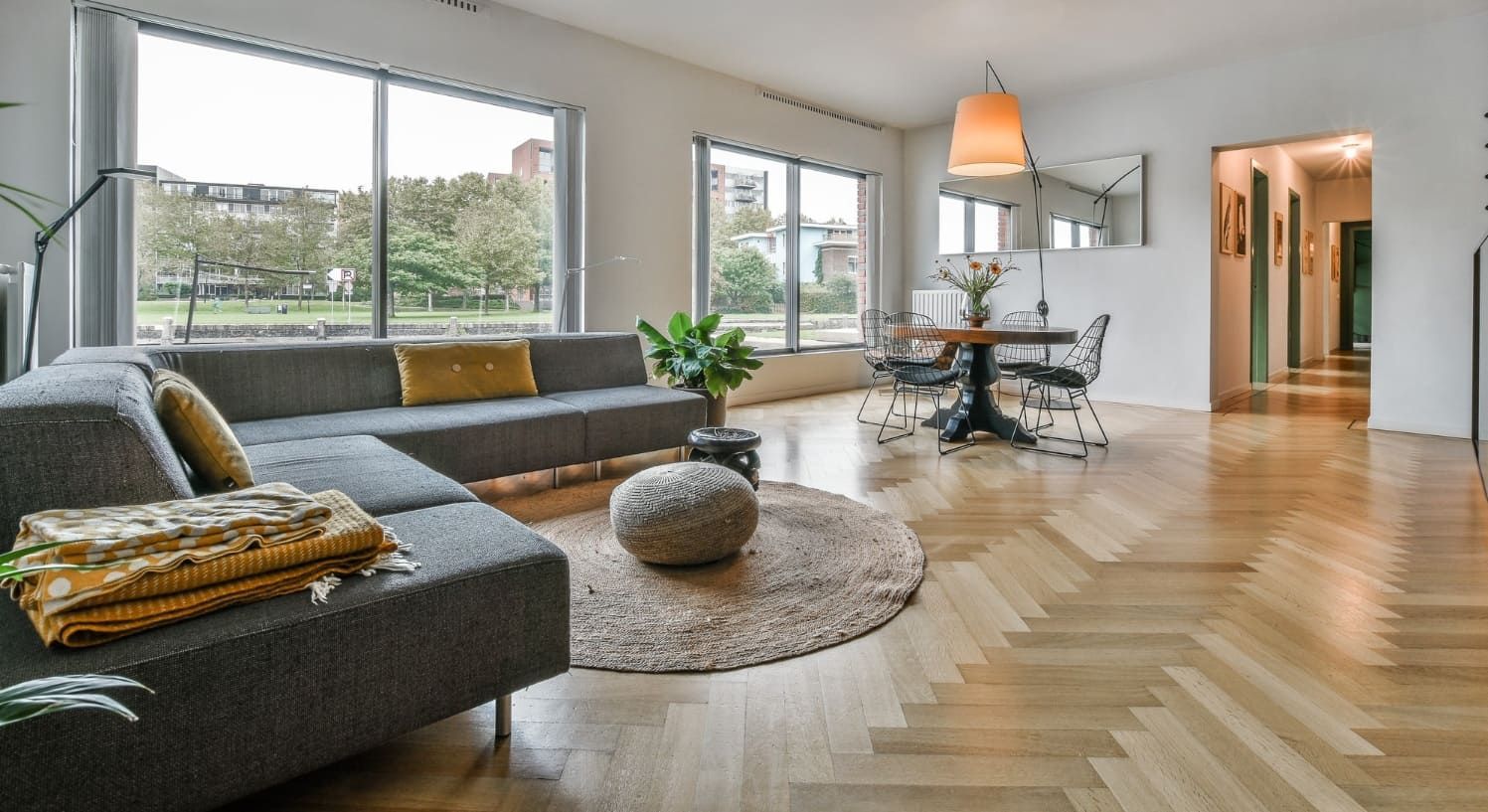
Fading happens when sunlight breaks down the chemical bonds in dyes, finishes, and natural materials. Florida's high UV levels, long days, and sunny winters mean your interiors take far more exposure than homes farther north.
UV Rays Are the Biggest Culprit
Ultraviolet radiation carries the most energy of any sunlight that reaches your windows. It attacks dyes in fabrics and rugs, yellows or bleaches wood finishes, and dries out leather. UVA rays are a particular problem because ordinary window glass lets much of them pass through.
Visible Light and Heat Contribute Too
Bright visible light can also fade sensitive materials, especially fabrics, artwork, and photographs. Solar heat speeds up the chemical reactions behind fading and can dry out and crack wood, leather, and finishes. That's why a room facing the afternoon sun over the Gulf ages faster than a shaded room, even behind the same glass.
The table below shows a commonly cited industry estimate of what drives fading. Exact numbers vary by material.
| Cause of Fading | Approximate Share of Fading | Does UV-Blocking Film Help? |
|---|---|---|
| Ultraviolet (UV) rays | About 40% | Yes, blocks up to 99.9% |
| Visible light | About 25% | Partially, depending on film darkness |
| Solar heat (infrared) | About 25% | Yes, with heat-rejecting films |
| Other factors (humidity, indoor lighting, material quality) | About 10% | Limited |
Why Standard Glass Isn't Enough
Many older Florida homes have single-pane or basic double-pane glass that blocks some UVB but lets a significant amount of UVA through. Newer Low-E glass blocks more UV, but it may still allow considerable heat and glare. Window film adds protection to the glass you already have, with no window replacement needed.
How UV-Blocking Window Film Protects Your Interiors
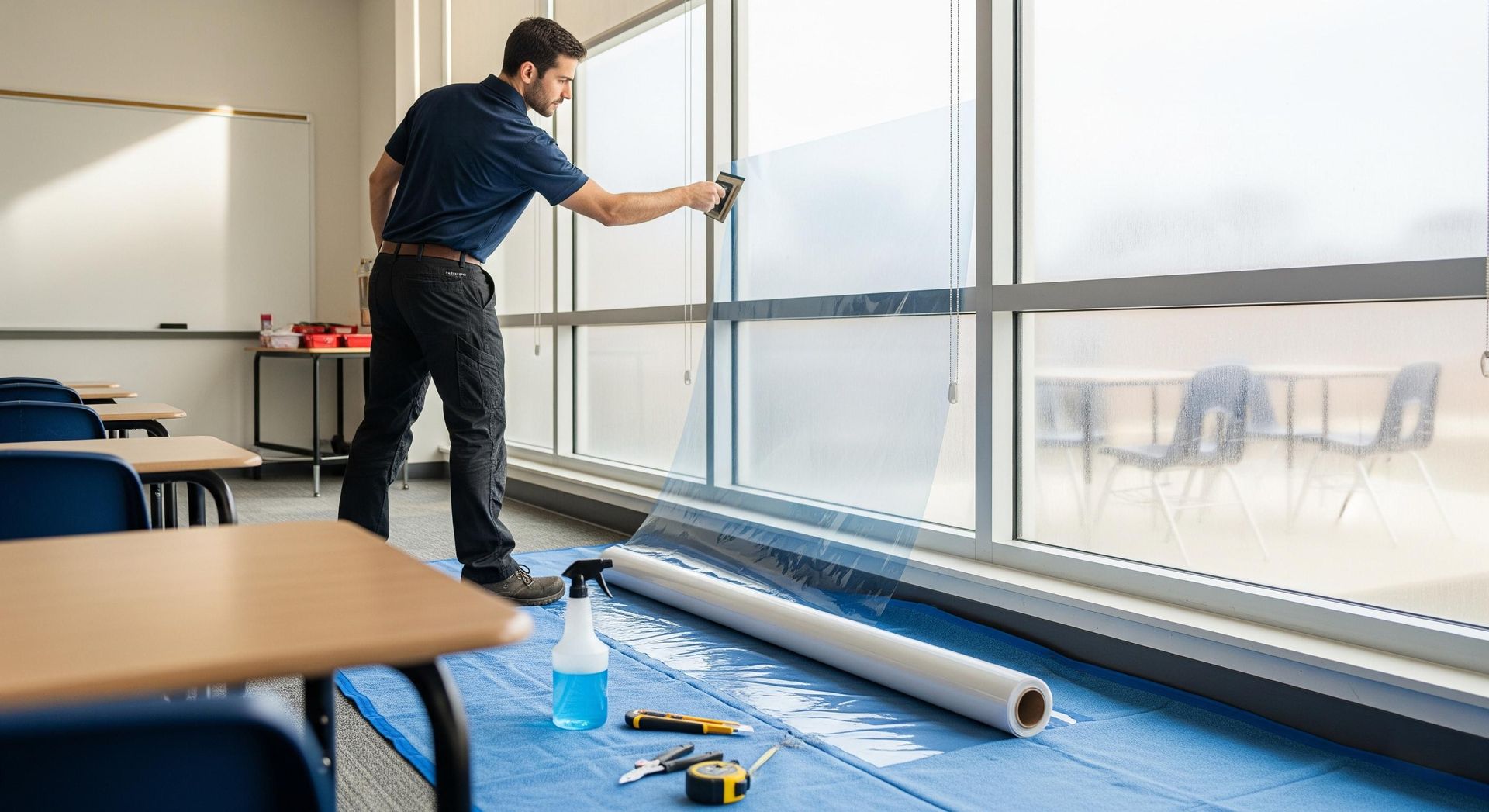
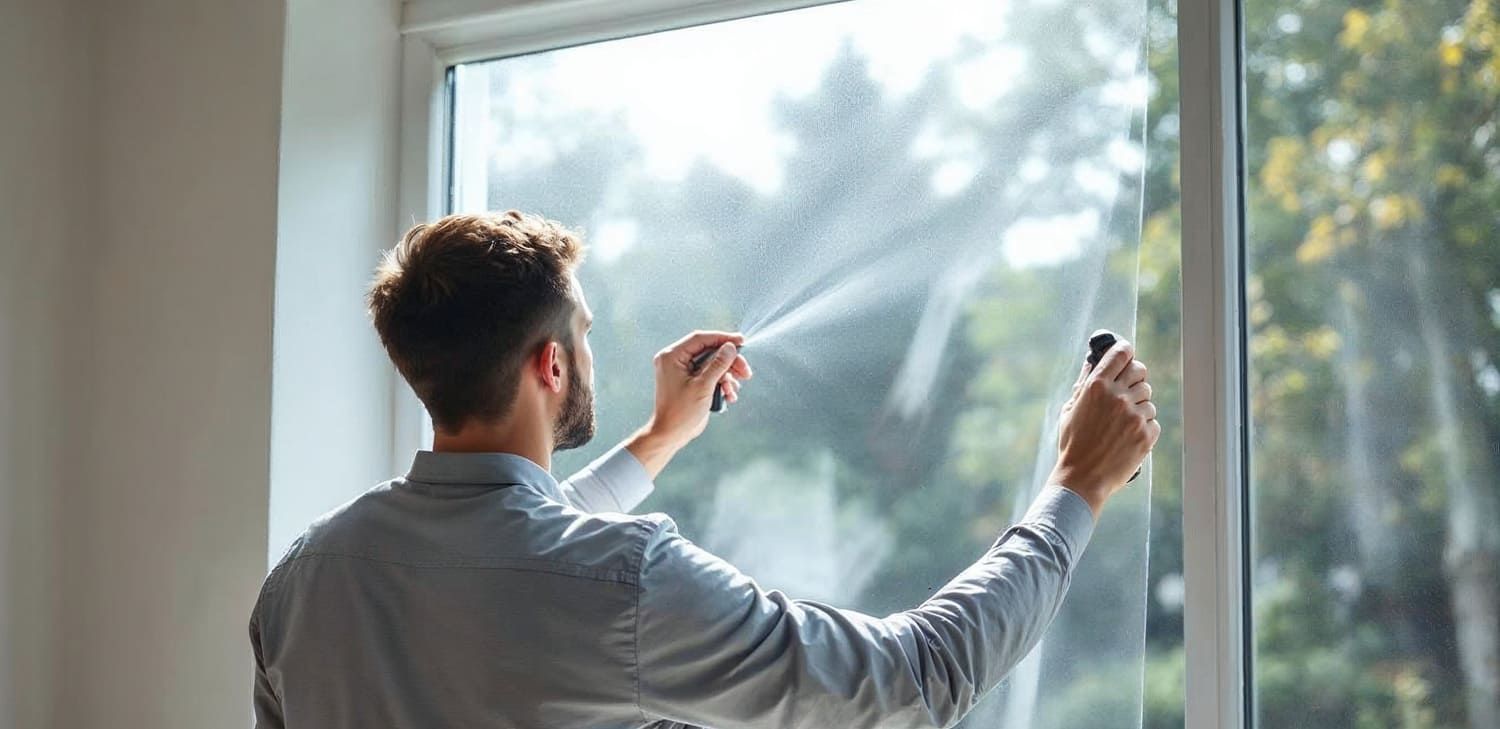
Window film is a micro-thin, multi-layer polyester film bonded to the inside surface of your glass. UV inhibitors built into the layers absorb harmful ultraviolet rays before they reach your floors and furnishings. Higher-performance films add metallic or ceramic layers that also reject solar heat and cut glare.
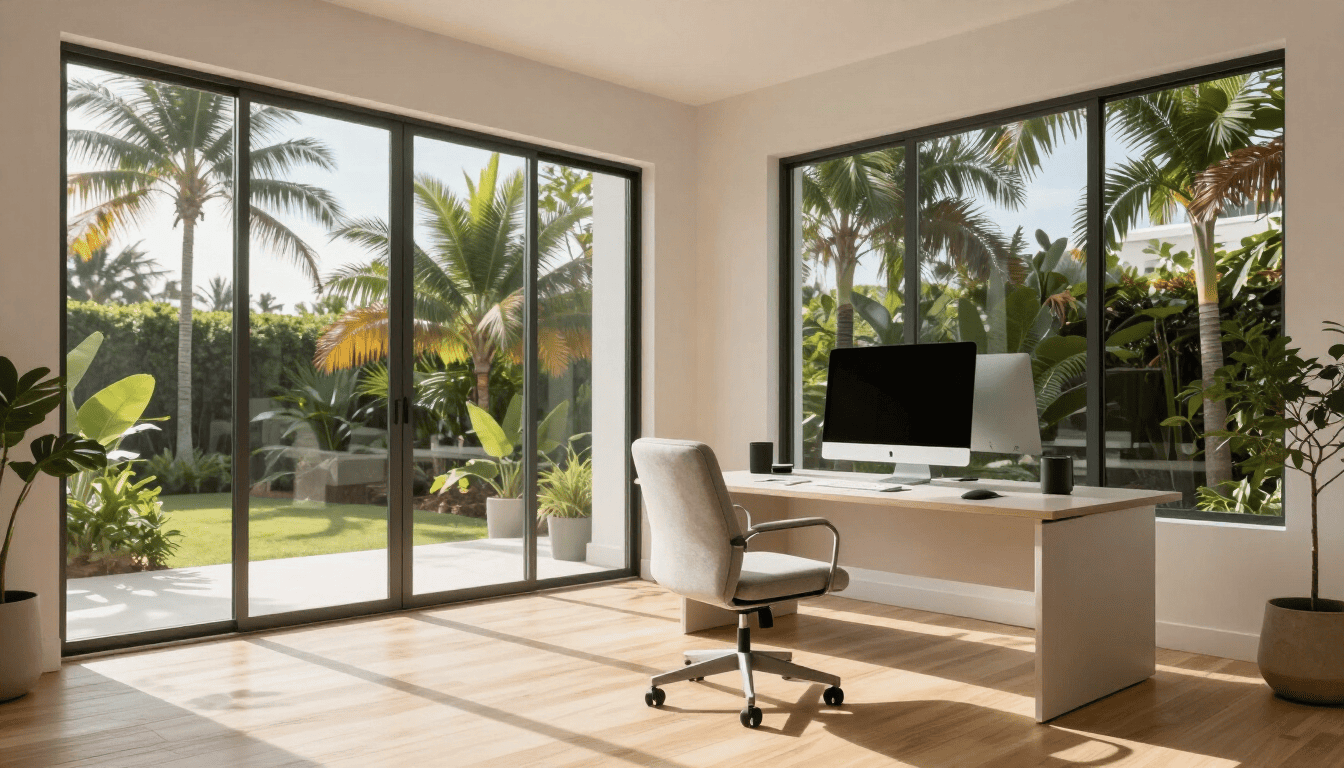
The result is a home that stays brighter and more comfortable, with far less sun damage. Vista residential films reduce glare by up to 87%. That lets you keep blinds and shades open and enjoy your water, golf course, or garden views, instead of closing everything up to save the sofa.
What Window Film Protects: Floors, Furniture, and More
Almost every surface in a sunny Florida room benefits from UV-blocking film. Here's how the sun damages common materials and how film helps.
| Item | How Sun Damages It | How Window Film Helps |
|---|---|---|
| Hardwood floors | Color shifts, lightening or darkening, finish breakdown, uneven "sun spots" around rugs | Blocks UV and reduces heat that drives color change |
| Carpets and area rugs | Faded patches near windows and sliders | Blocks UV that breaks down fabric dyes |
| Upholstered furniture | Faded cushions, weakened fibers | Reduces UV and visible light on fabrics |
| Leather furniture | Drying, cracking, discoloration | Cuts UV and heat buildup |
| Artwork and photographs | Fading pigments and inks | Strong UV protection; darker films add visible light reduction |
| Window treatments | Faded, brittle blinds, drapes, and shutters | Shields the materials closest to the glass |
| Vinyl and laminate floors | Discoloration and warping from heat | Reduces UV and surface temperature |
Hardwood floors deserve special mention. Many homeowners don't notice sun damage until they move a rug or a piece of furniture and find a lighter or darker outline underneath. Film makes those changes much slower, so floors age more evenly.
Clear vs. Tinted Film: Which Is Best for Fade Protection?
Many people assume they need dark tint to protect their furnishings. They don't. Even nearly clear premium films block up to 99.9% of UV rays. The difference between film types is how much heat and visible light they also block, and those affect fading too.
| Film Type | UV Blocking | Heat Rejection | Visible Light Reduction | Best For |
|---|---|---|---|---|
| Clear UV film | Up to 99.9% | Low | Minimal | Preserving the natural look of glass and views |
| Spectrally selective or ceramic film | Up to 99.9% | High | Low to moderate | Great views plus strong heat and fade control |
| Light to medium solar film | Up to 99.9% | Moderate to high | Moderate | Balanced comfort, glare, and fade protection |
| Darker or reflective solar film | Up to 99.9% | Highest | High | Hot west-facing rooms and maximum fade reduction |
For most Southwest Florida homes, a ceramic or spectrally selective film is the sweet spot. You get excellent fade protection and heat rejection while keeping the bright, open feel and clear views that make Florida living special. One of our customers described exactly this with their ceramic film: clear views of the golf course and gardens, plus privacy and sun protection.
How to Get the Most Fade Protection From Window Film
The right film helps, but a few smart choices make a big difference in how well your floors and furniture are protected.
Start With West- and South-Facing Windows
In Southwest Florida, west-facing windows take the harsh afternoon sun, and south-facing glass gets strong exposure all year. If you can't film every window at once, start where your floors and furniture already show the most fading.
Choose Film for Total Solar Protection, Not Just UV
Nearly all quality films block UV, so compare total solar energy rejection and visible light transmission as well. A film that blocks UV, heat, and some visible light will protect sensitive materials far better than a UV-only film.
Don't Forget Sliders, French Doors, and Transoms
Large sliding glass doors to the lanai and pool area are often the biggest source of fading in Florida homes. Transoms, arched windows, and skylights also let in surprising amounts of direct sun that lands on floors and furniture.
Insist on Professional Installation and a Real Warranty
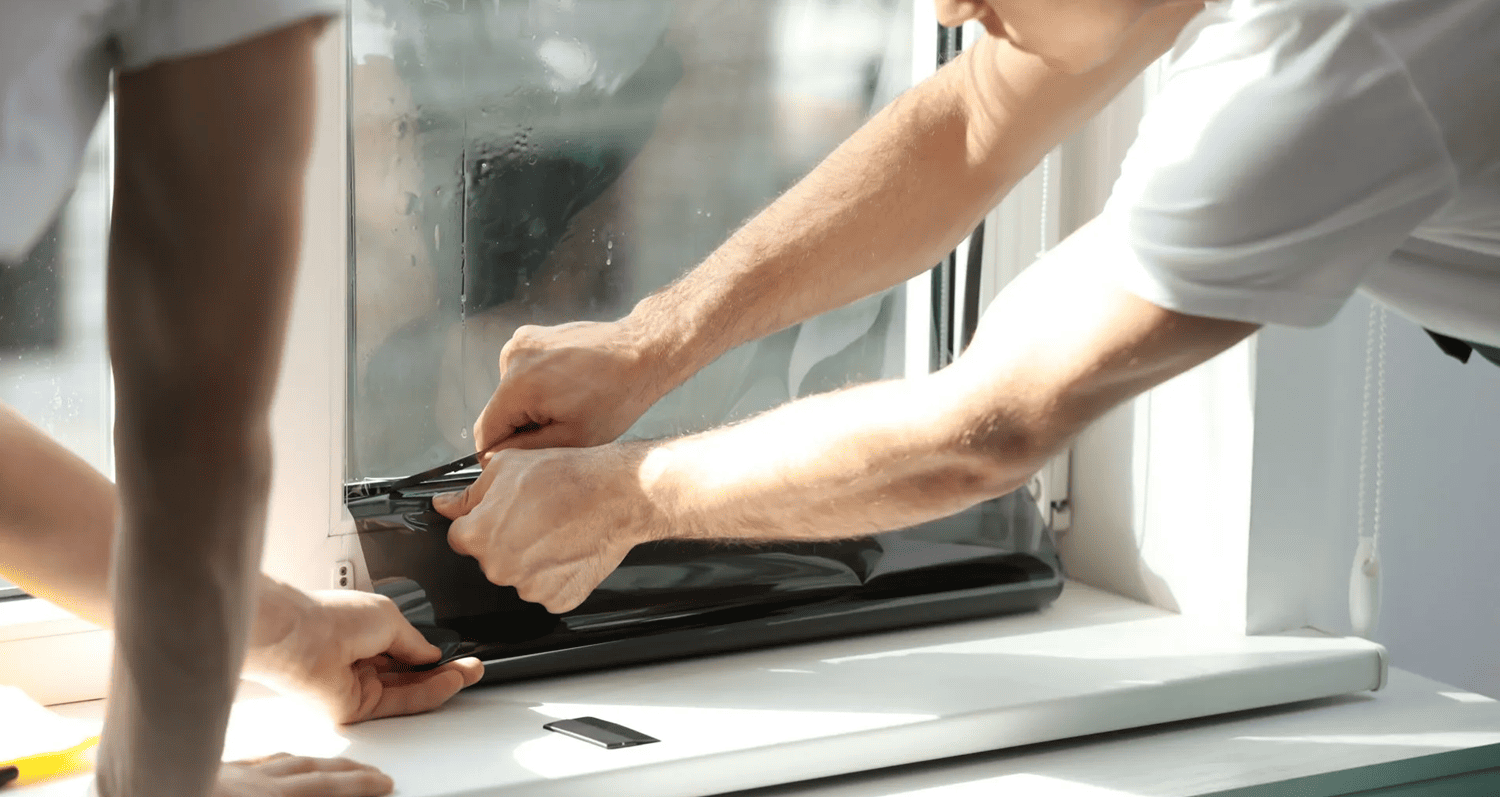
Window film only protects if it's installed correctly and stays in place. Professional installers custom cut every piece for a precise fit and follow the manufacturer's glass-compatibility guidelines. That protects your windows and your warranty. Avoid do-it-yourself kits that peel, bubble, or fail within a few Florida summers.
Pair Film With Smart Habits
Rotate rugs and cushions once in a while, move delicate artwork away from direct sun, and use light-filtering shades in the most exposed rooms. Combined with film, these simple habits give your furnishings the longest possible life.
Is Window Film Worth It Compared to Replacing Floors, Furniture, or Windows?
Consider what fading costs. Refinishing hardwood floors, reupholstering furniture, and replacing rugs, drapes, or artwork can add up to thousands of dollars. Professionally installed window film costs about one-tenth the price of new windows and starts protecting your home the day it's installed.
Fade protection is only part of the value. Quality residential film can also reduce cooling costs, cut glare on TVs and computer screens, add daytime privacy, and help hold glass in place if a window breaks during a storm or attempted break-in. Most windows can be filmed in about 15 minutes, with little disruption to your day.
Frequently Asked Questions About UV Window Film and Fading
Does window film stop fading completely?
No. Window film blocks up to 99.9% of UV rays, the leading cause of fading, but visible light and heat also play a role. Film greatly slows fading, and heat-rejecting films offer even more protection.
Does clear window film block UV rays?
Yes. Premium clear films can block up to 99.9% of UVA and UVB rays without noticeably changing the look of your glass. They're ideal if you want to preserve views and natural light.
Will window film protect my hardwood floors?
Yes. By blocking UV and reducing solar heat, window film slows the color change and finish breakdown that cause hardwood to fade, lighten, or darken unevenly near windows.
Do I need window film if I already have Low-E or impact windows?
Often, yes. Many Low-E and impact windows block a good share of UV, but they may still let in significant heat and glare. Film can add fade protection and comfort. A professional can confirm that the film is compatible with your specific glass.
How long does UV protection from window film last?
Quality residential window films from LLumar and Vista are built to last for many years, and many installations are still performing 20 years after installation. They're backed by manufacturer warranties against failures like peeling, bubbling, and discoloration.
Can I have window film on a Gulf-front home with turtle glass requirements?
Yes. Many coastal properties in Sarasota and Charlotte Counties must limit interior light visible from the beach during sea turtle nesting season. Certain films can help meet these requirements while still protecting your interiors from sun damage.
Protect Your Floors and Furniture With Window Film From Film Systems of Florida
UV-blocking window film is one of the smartest, most affordable ways to protect your floors, furniture, artwork, and window treatments from the Florida sun. It blocks up to 99.9% of UV rays, reduces heat and glare, and lets you enjoy natural light and beautiful views without watching your investments fade.
Since 1977, Film Systems of Florida has been the trusted, locally owned choice for residential and commercial window film throughout Southwest Florida. We're an authorized LLumar and Vista dealer, and our installers receive ongoing training from LLumar. Every project is custom cut for a precise fit and backed by a satisfaction guarantee and manufacturer warranty.
We proudly serve homeowners and businesses in Englewood, Sarasota, Venice, North Port, Punta Gorda, Port Charlotte, Fort Myers, Cape Coral, Bradenton, and throughout Sarasota, Charlotte, Lee, and Manatee Counties. Call (941) 473-0309 or toll-free (800) 940-3455 to schedule your free in-home estimate today.
Film Systems Of Florida Blog