THE BEST IN RESIDENTIAL AND COMMERCIAL WINDOW TINTING
What Is Security Window Film vs. Laminated Safety Glass?
If you're researching ways to protect your windows in Southwest Florida — whether that's against hurricane impacts, break-in attempts, or flying debris — you've likely come across two very different-sounding solutions: security window film and laminated safety glass. They're often mentioned in the same breath, and it's easy to assume they do the same job. They don't, and understanding the difference matters, especially if you're weighing cost, timeline, and how much protection you actually need for a Gulf-front or coastal property.
This guide breaks down what each option actually is, how they compare, and which situations tend to favor one over the other for homeowners and business owners across Sarasota, Charlotte, Lee, and Manatee Counties.
What Is Security Window Film?
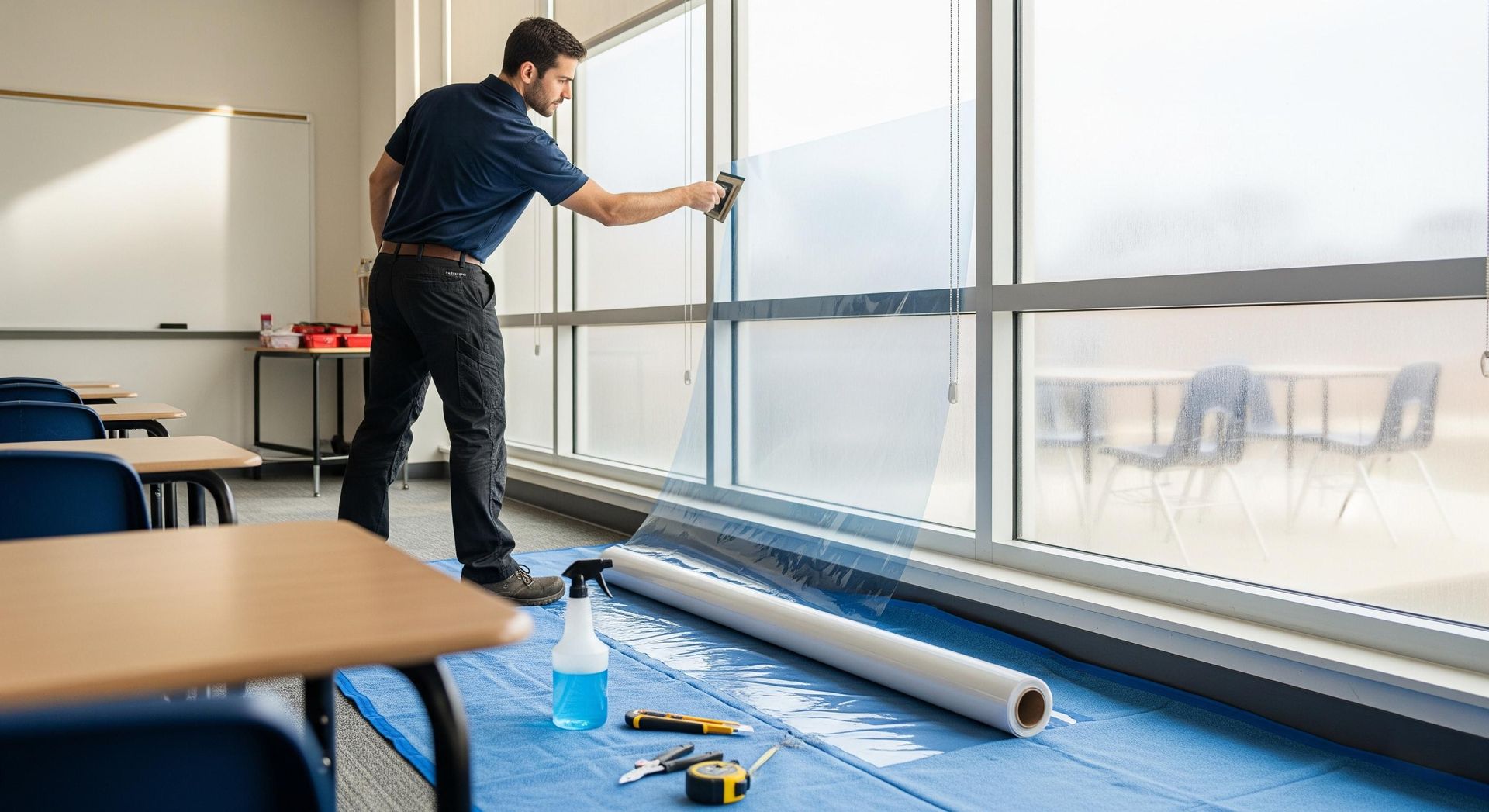
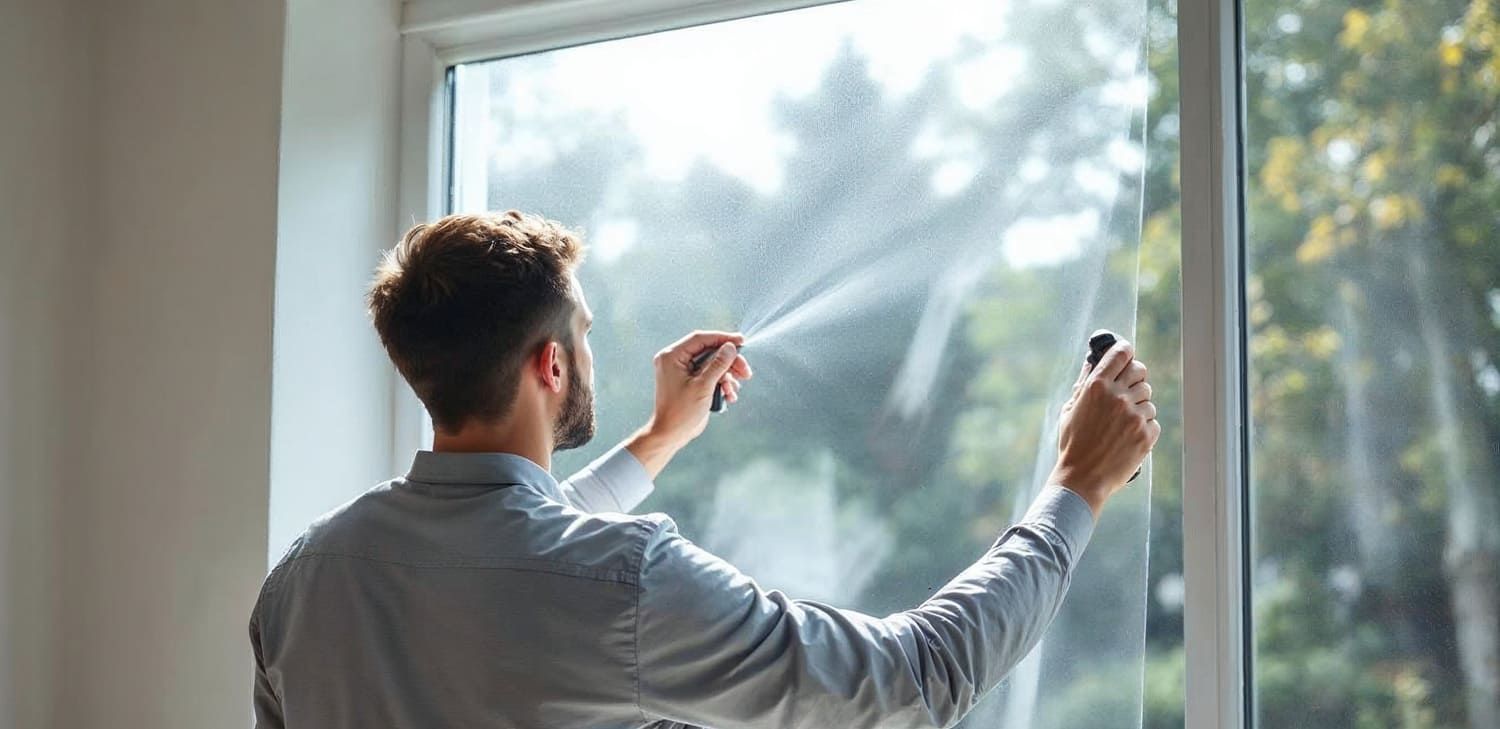
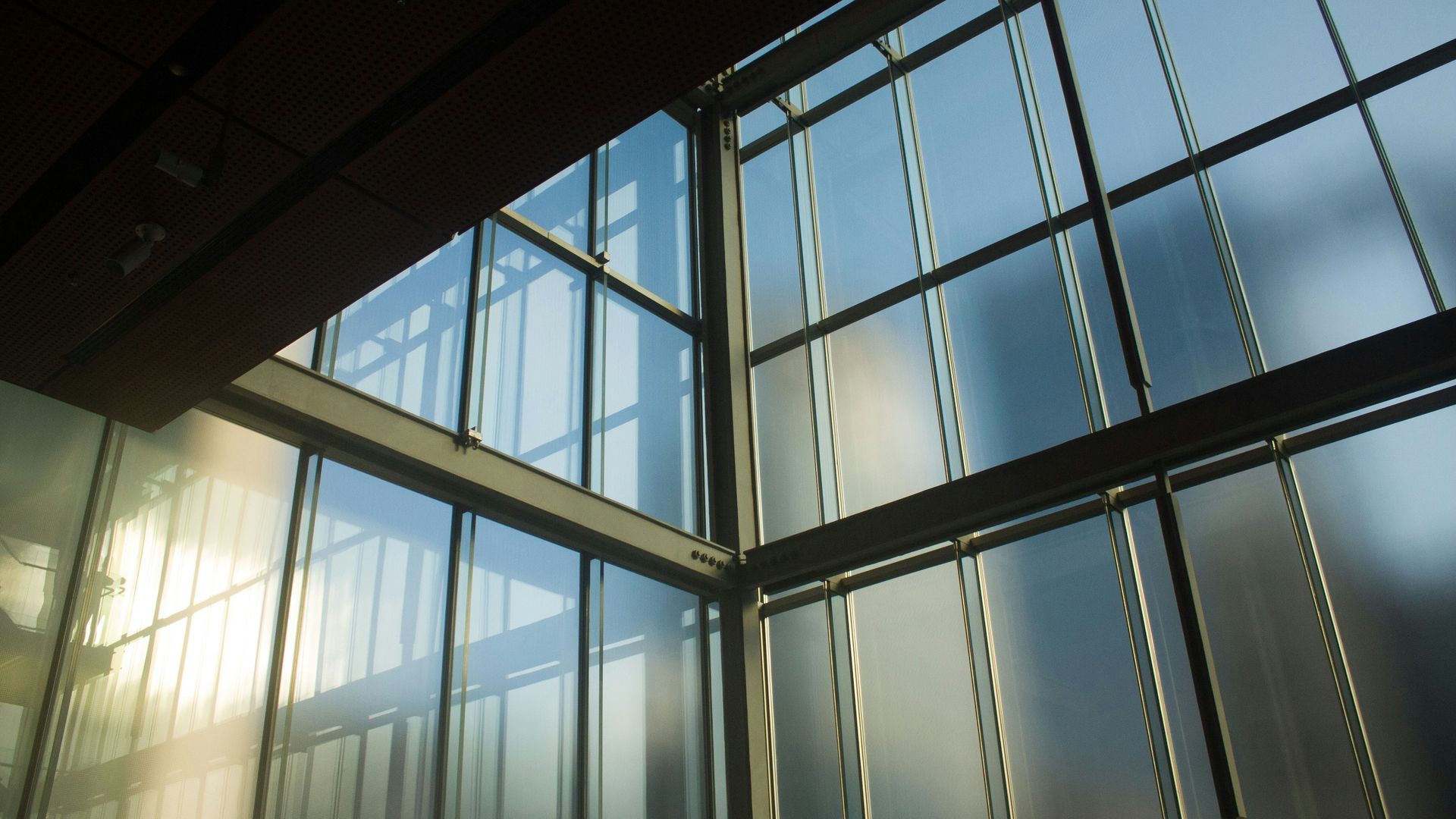
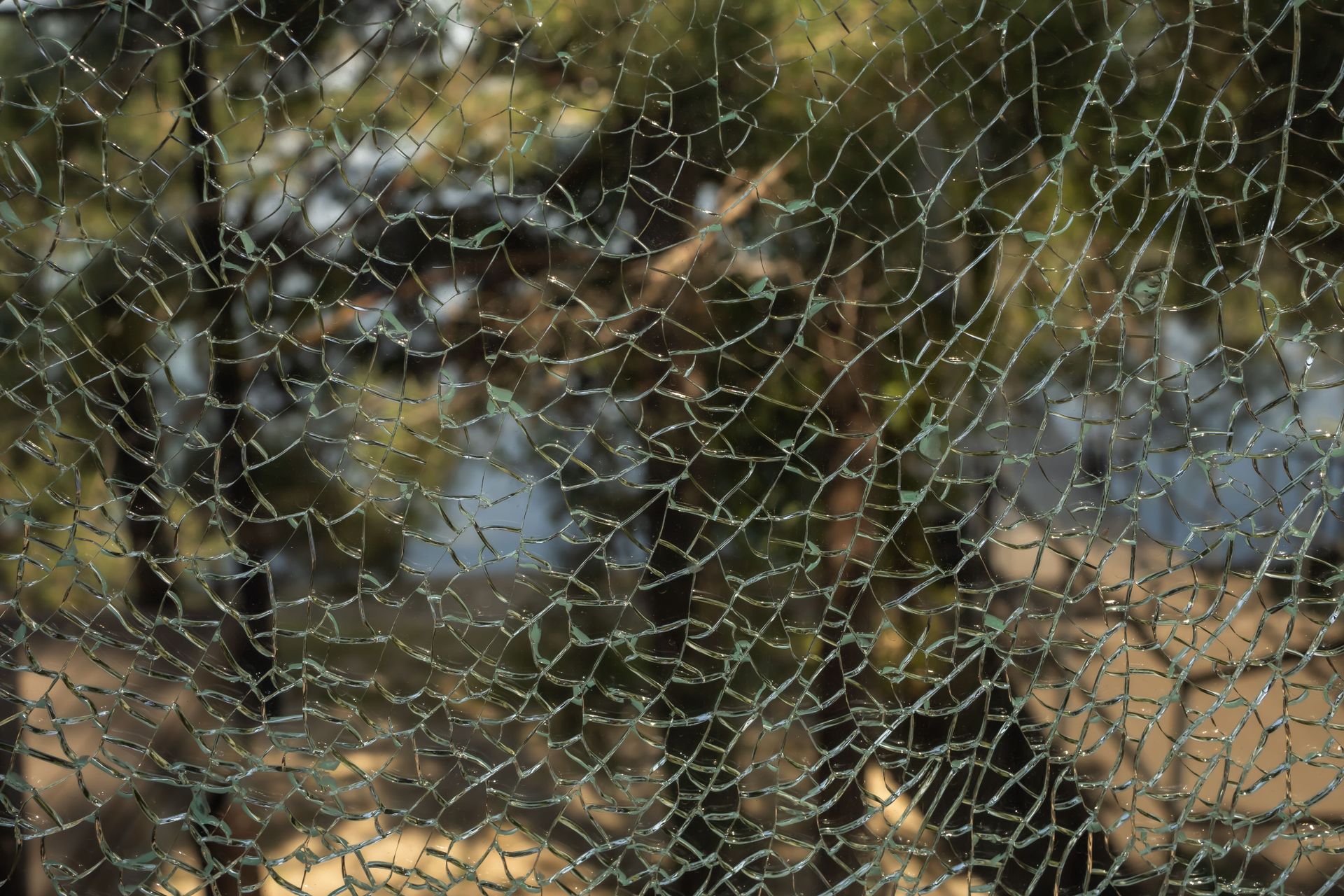
Security window film is a thick, optically clear polyester film applied directly to the interior surface of your existing glass. Unlike standard solar or decorative window film, security film is engineered specifically to hold shattered glass together on impact rather than letting it break apart into dangerous shards. When installed with proper edge attachment to the window frame, it can help keep glass in the frame during high winds, storm impacts, or forced-entry attempts, buying valuable time and reducing injury risk from flying glass.
Because it's applied to glass you already have, security film is typically installed in a single visit with no need to replace windows, alter frames, or disrupt the look of your home or business from the outside. It's a retrofit solution, which is a major part of its appeal for homeowners who don't want a full window replacement project.
What Security Film Is Designed to Do
- Hold glass together on impact so it doesn't spray into a room as sharp fragments
- Add forced-entry resistance, making it harder and slower for an intruder to breach a window
- Block up to 99% of UV rays, protecting interior furnishings while adding a safety layer
- Reduce glare and heat in the same install, since many security films double as solar-control film
- Preserve your existing windows, avoiding the cost and disruption of full replacement
What Is Laminated Safety Glass?
Laminated safety glass is a different category of product entirely — it's not a film applied after the fact, but glass manufactured with a plastic interlayer (typically PVB, similar to what's used in car windshields) sandwiched between two panes of glass and permanently bonded under heat and pressure. Because the interlayer is built into the glass itself during manufacturing, laminated glass is inherently part of the window unit, not a retrofit.
When laminated glass breaks, the interlayer holds the fragments in place, similar in concept to security film, but the protection is engineered directly into the glass structure rather than added afterward. This is why laminated glass is a common requirement in coastal building codes for wind-borne debris protection in hurricane-prone regions like Southwest Florida.
What Laminated Glass Is Designed to Do
- Meet hurricane impact-resistance building codes in wind-borne debris zones
- Provide permanent, built-in protection since the interlayer is bonded during manufacturing
- Resist penetration from windborne debris during storms
- Reduce noise transmission, an added benefit of the multi-layer construction
- Come with manufacturer glass warranties tied to the window unit itself
Security Window Film vs. Laminated Safety Glass: Side-by-Side Comparison
| Factor | Security Window Film | Laminated Safety Glass |
|---|---|---|
| Installation method | Applied to existing glass, retrofit | Manufactured glass unit, requires replacement |
| Typical project timeline | Often completed in a single visit | Longer lead time; ordering and installing new windows |
| Disruption to property | Minimal — no window removal | Higher — involves removing and replacing existing windows |
| Relative cost | Generally lower upfront cost | Generally higher upfront cost |
| Meets hurricane building codes | Depends on system and local code requirements | Commonly used to meet wind-borne debris code requirements |
| UV and heat protection | Yes, especially when combined with solar film | Varies by glass coating |
| Best suited for | Existing homes/businesses wanting an upgrade without full replacement | New construction or full window replacement projects |
| Permanence | Adheres to existing glass; can be part of a broader retrofit | Built into the glass itself |
Which One Do You Actually Need?
The right choice usually comes down to your goals, your budget, and whether you're working with existing windows or planning new construction.
When Security Film Makes More Sense
Security film tends to be the better fit if you:
- Have existing windows in good condition that you don't want to replace
- Want to add a layer of protection without a major renovation project
- Are working within a tighter budget or timeline
- Also want UV protection, heat reduction, or glare control bundled into the same upgrade
- Own a business or storefront where forced-entry deterrence is the priority, without needing full code-compliant hurricane glass
When Laminated Glass Makes More Sense
Laminated glass tends to be the better fit if you:
- Are building new construction or doing a full window replacement anyway
- Need to meet specific local hurricane building codes for wind-borne debris zones
- Want protection that's structurally part of the window itself, not applied afterward
- Are less concerned about upfront cost and more focused on long-term, code-compliant protection
For many homeowners along the Gulf Coast, the decision isn't strictly either-or. Some properties use laminated glass on new construction while adding security or solar film to existing windows elsewhere on the property that aren't being replaced.
A Note on Turtle Glass and Coastal Requirements
If your property is in a Gulf-front or beachside location in Sarasota, Charlotte, Lee, or Manatee County, you may already be required to install turtle glass — a specially tinted, low-reflectivity glass required by local ordinances to reduce light disturbance for sea turtle nesting. Turtle glass is a separate requirement from impact protection, but it's worth mentioning here because coastal properties often need to think through several types of window requirements at once: turtle glass for lighting compliance, impact protection for storm season, and solar control for energy efficiency. A knowledgeable local installer can help you understand which requirements apply to your specific property and how film or glass solutions fit into that picture.
Frequently Asked Questions
Is security window film as strong as laminated glass?
They serve related but different purposes. Laminated glass is manufactured with a bonded interlayer and is commonly used to meet hurricane building codes, while security film is applied to existing glass to help hold it together on impact and add forced-entry resistance. The right comparison depends on your specific protection goals and whether local code requirements apply to your project.
Can security film be added to windows that already have solar tint?
This depends on the existing film and window setup. A professional evaluation is the best way to determine whether an additional layer is appropriate or whether the existing film needs to be removed first.
Does security film help during hurricane season?
Security film can help hold glass together and reduce the risk of flying glass fragments during high winds or impacts. Whether it satisfies specific local wind-borne debris code requirements depends on the product and local building codes, so it's worth confirming with your installer what your property specifically needs.
Is laminated glass required by code in Southwest Florida?
Many coastal areas in wind-borne debris zones have code requirements for impact-resistant glazing, which laminated glass commonly satisfies. Requirements vary by county and property location, so checking with a local professional familiar with your specific area is the best way to confirm what applies to your property.
Does security film block UV rays and reduce heat too?
Yes — many security films are designed to block up to 99% of UV rays and can reduce heat and glare in the same installation, offering energy-efficiency benefits alongside the added safety layer.
How long does security film installation take compared to replacing windows with laminated glass?
Security film is typically installed directly onto your existing glass, often completed in a single visit for most homes. Laminated glass requires manufacturing and installing entirely new window units, which involves a longer project timeline.
Get Expert Guidance for Your Property
Whether security window film, laminated glass, or a combination of both makes the most sense depends on your specific windows, budget, and protection goals. Film Systems of Florida has been locally owned and operated since 1977, professionally installing LLumar and Vista window film for homeowners and business owners throughout Sarasota, Charlotte, Lee, and Manatee Counties.
Request a free in-home or in-business estimate to get a professional evaluation of your windows and find out which protection option is the right fit for your property.
Film Systems Of Florida Blog